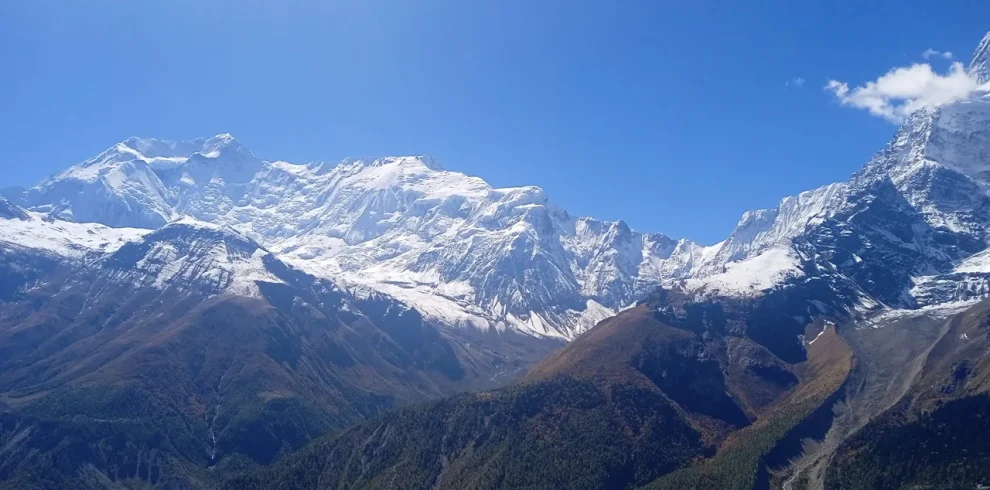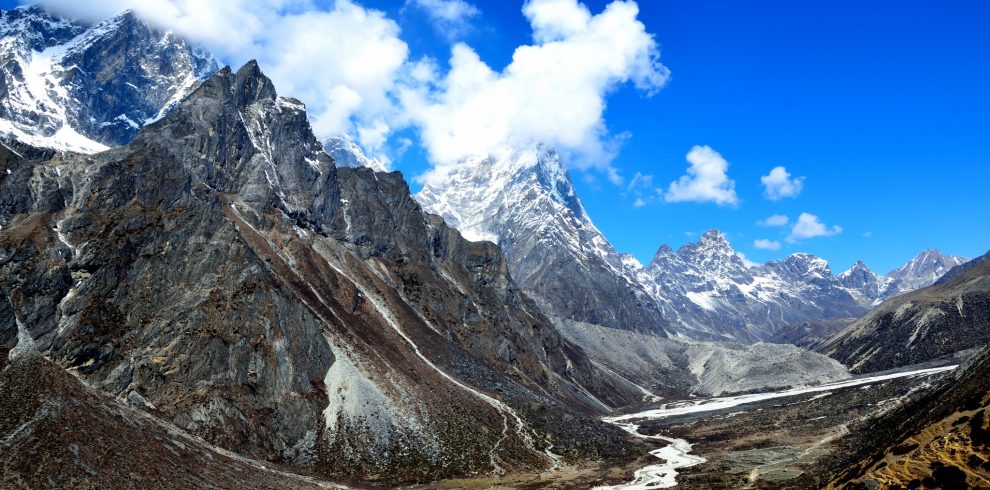
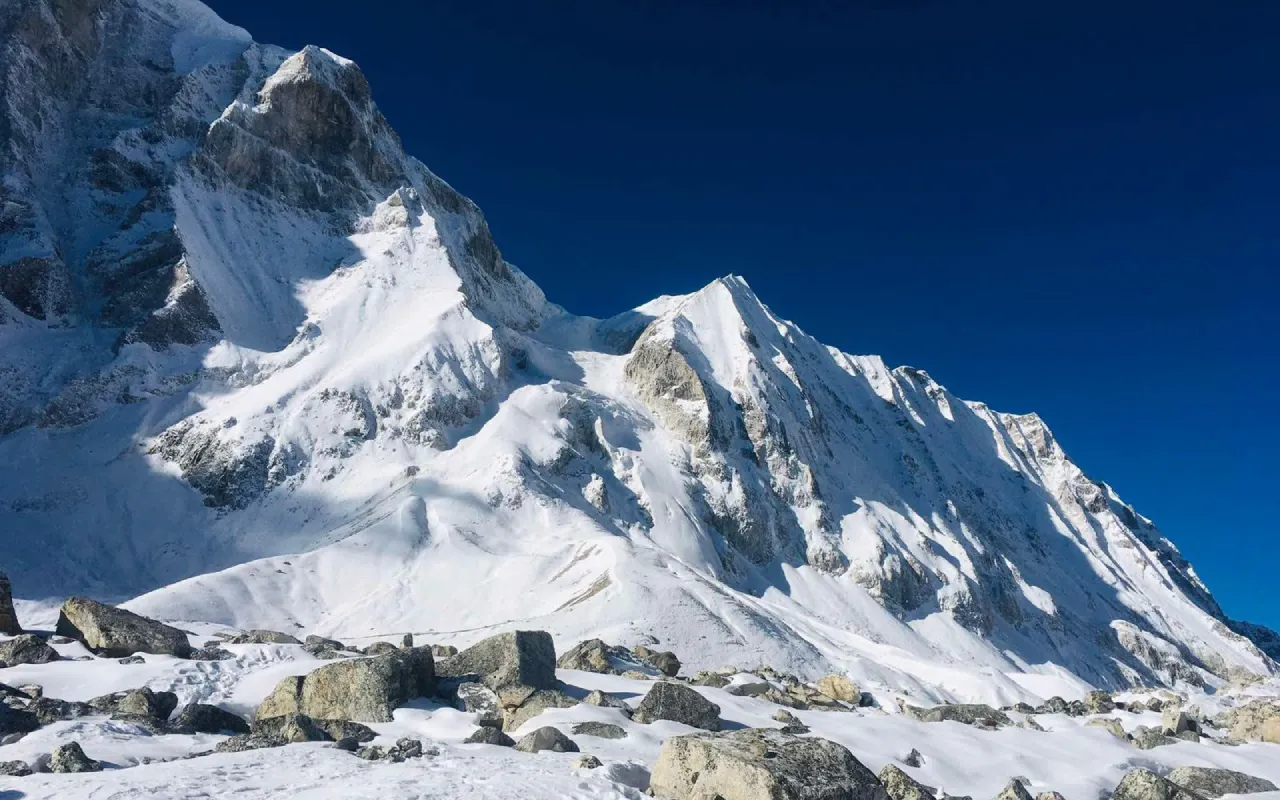
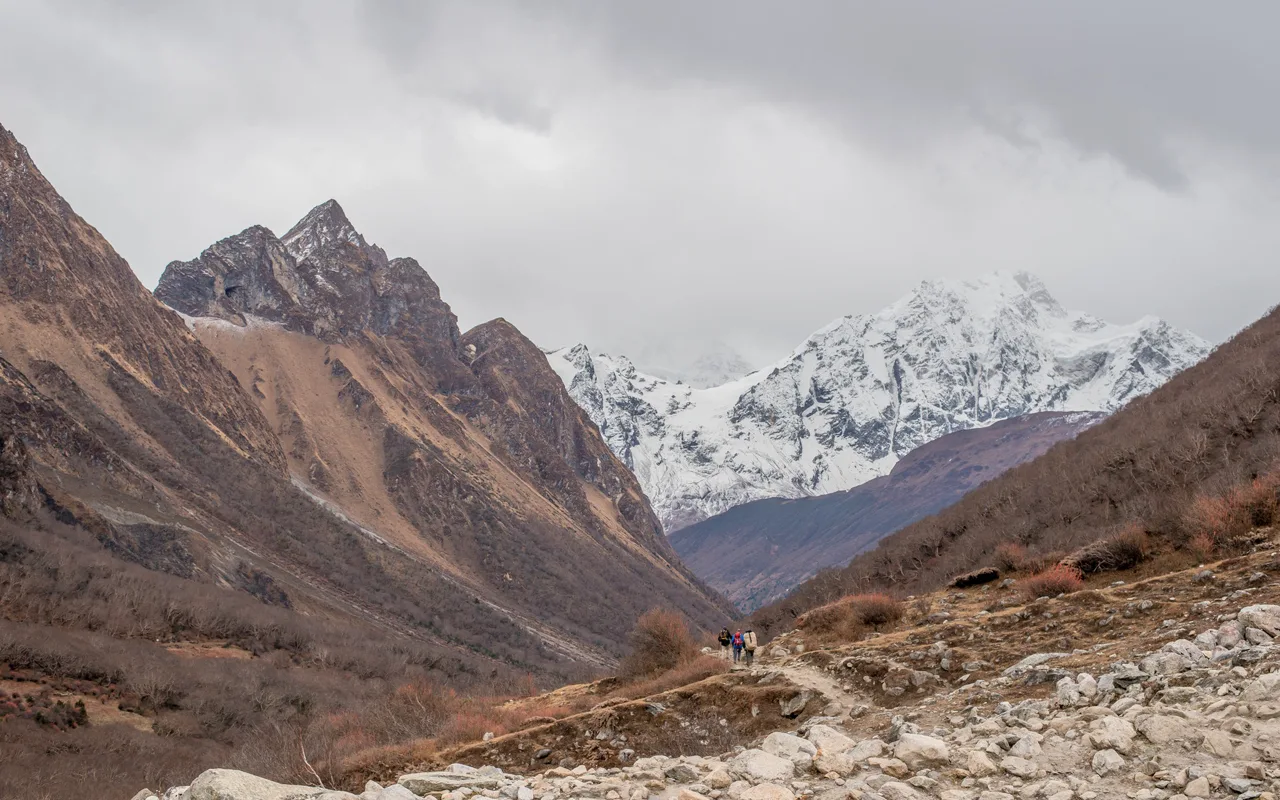
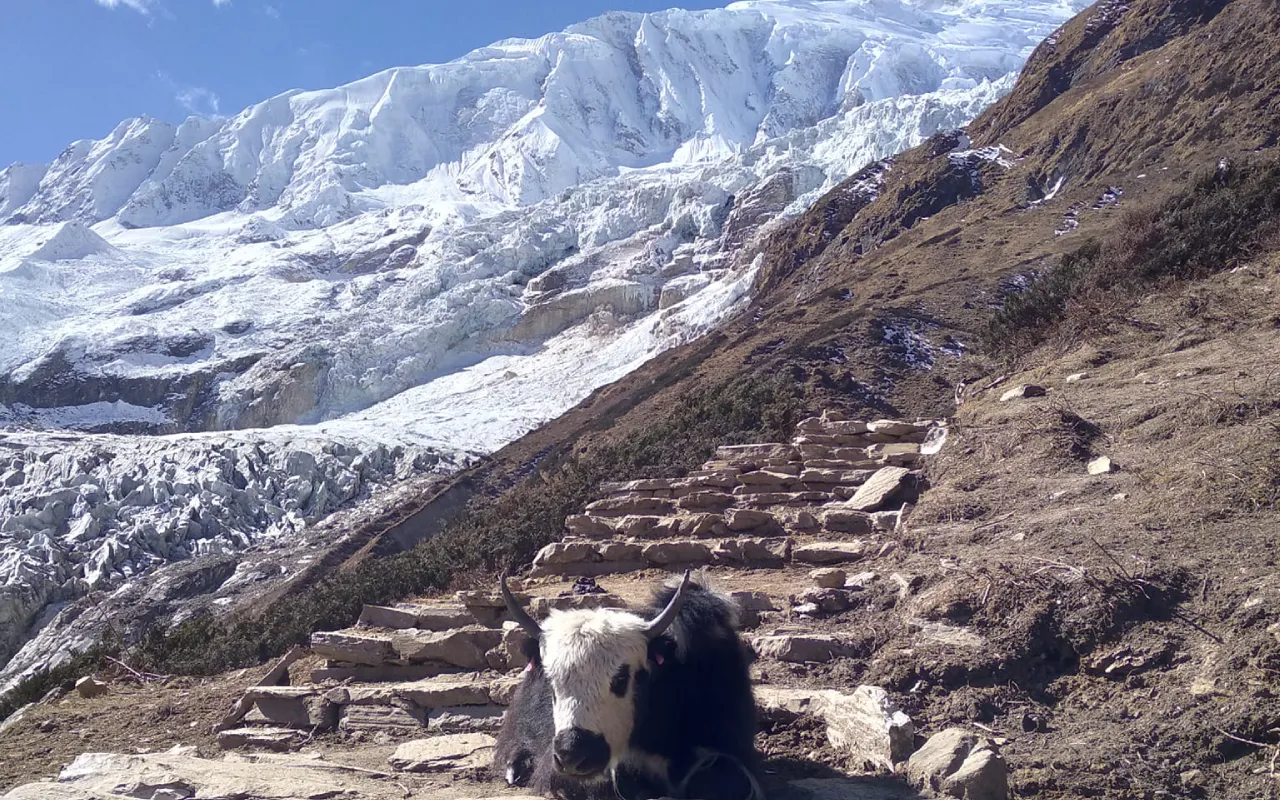
Pikey Peak Trek in Nepal’s lower Everest region is an adventure that is not to be missed. Stunning mountain views, peaceful trails, and rich Sherpa culture over nine days. Your trek starts with a scenic drive from Kathmandu to Chuplubhanjyang.…
Overview
Pikey Peak Trek in Nepal’s lower Everest region is an adventure that is not to be missed. Stunning mountain views, peaceful trails, and rich Sherpa culture over nine days. Your trek starts with a scenic drive from Kathmandu to Chuplubhanjyang.…
Itinerary
Cost
The Cost Includes
- Accommodation Twin-sharing/double accommodation in a 3-star hotel for 2 nights in Kathmandu including breakfast (Private room accommodation can be organized at an extra cost) Twin-sharing guesthouse accommodation during the trek for 6 nights . Meals & Drinking Water All your standard meals during the trek 3 meals a day (Breakfast, Lunch & Dinner) in a guest houses A farewell dinner on the last night in Nepal Purified drinking water during the trek using Water Filter or water purification tablets.. Transportation All (international and domestic) airport transfers on a tourist vehicle Kathmandu to Chuplubhanjyangand Phaplu to Kathmandu Private Jeep Guide and Staff Experienced, first-aid trained, government licensed, English speaking, and locally recruited Nomad Adventure’s trekking guide (2 guides for group size more than 7 people) Porters during the trek for carrying luggage (1 porter for every 2 clients) Wages, accommodation, meals, gear, insurance and medications for all staff Medical Assistance Assistance in arranging rescue operations in case of complicated health conditions (funded by travel insurance) Medical kits, including an oximeter to monitor blood oxygen saturation levels in high altitudes Permits All necessary National Park Permit and Paperworks TIMS (Trekkers’ Information Management System) card Benefits and Takeaways Sleeping bags and down jackets, duffle bag (one for every two trekkers) if you do not have your own company’s T-shirt & Cap Trip completion certificate Administrative & Taxes All administrative expenses and government taxes
The Cost Excludes
- Price Excludes Lunch and dinner in Kathmandu International flight fare and airport departure tax Nepal Entry Visa (Visa can be acquired easily after your arrival at Tribhuvan International Airport in Kathmandu with a fee of USD 30 for 15 days visa, USD 50 for 30 days visa and USD 125 for 90 days visa) Guided tour in Kathmandu (Private car + tour Guide), Monument entrance fees while sightseeing in Kathmandu Extra night accommodations in Kathmandu due to early arrival or late departure, early return from the trek or other itinerary changes Travel insurance along with high-altitude emergency evacuation coverage Medical check-ups, vaccinations, or medications required for the trek are not included. Any beverages including bottled and boiled water Tips to trekking staff and driver Personal trekking gear and equipment Any expenses other than the Price Include section Personal expenses (shopping, snacks, boiled bottle water, hot (Tea/ Coffee) and cold drinks, hot shower, alcohol, Wi-Fi, telephone call, battery re-charge fee, extra porters, etc Personal clothing and gear
FAQs
<strong>Spring </strong>(March to May) and autumn (September to November) are the best times. Weather is clear with <strong>moderate temperatures</strong> during these seasons which gives a great view of the Himalayas.
Festivals such as <strong>Lhosar</strong> (<strong>Tibetan New Year)</strong> are celebrated in February. Nepal’s two biggest Hindu festivals, <strong>Dashain </strong>and <strong>Tihar</strong>, in October and November, lit the region with bright decorations and cheer.
Cultural richness is added by the <strong>Mani Rimdu</strong> <strong>festival </strong>in November, the <strong>Dumji festival</strong>, and Buddha Jayanti in April or May.
The Pikey Peak Trek difficulty is a moderate. It’s easier, however, trekkers must prepare themselves through daily cardio exercises like running, cycling, or swimming. Also, lunges, planks, and squats will help strengthen the body and bring stability on rough terrain.
As of the <a href="https://www.nationalgeographic.com/travel/article/nepal-bans-solo-trekking-himalayas">Nepalese government’s rule on April 1, 2023</a>, independent trekking is banned and trekkers must hire a <strong>licensed guide</strong> to measure safety and navigation.
Accommodation here is just <strong>basic tea houses</strong> with simple <strong>bedding </strong>and <strong>blankets</strong>. <strong>Hot showers</strong>, <strong>Wi-Fi</strong>, and <strong>charging amenities</strong> are available but you need to pay extra for it.
Weather is <strong>moderate </strong>during spring and autumn and slightly <strong>cooler </strong>during nights. Additionally, monsoons are <strong>slippery </strong>and treks can be <strong>extremely cold</strong> in winter.
Altitude sickness is <strong>possible </strong>even if slight as the trek hits more than <strong>4,000 meters</strong>. However, AMS can be easily prevented here by proper acclimatization, hydration, and nutrient rich food.
Route has <strong>no ATMs </strong>and even if you find one be assured it’s <strong>not always reliable</strong>. It is recommended that before beginning your trek, you should carry enough cash from Kathmandu.