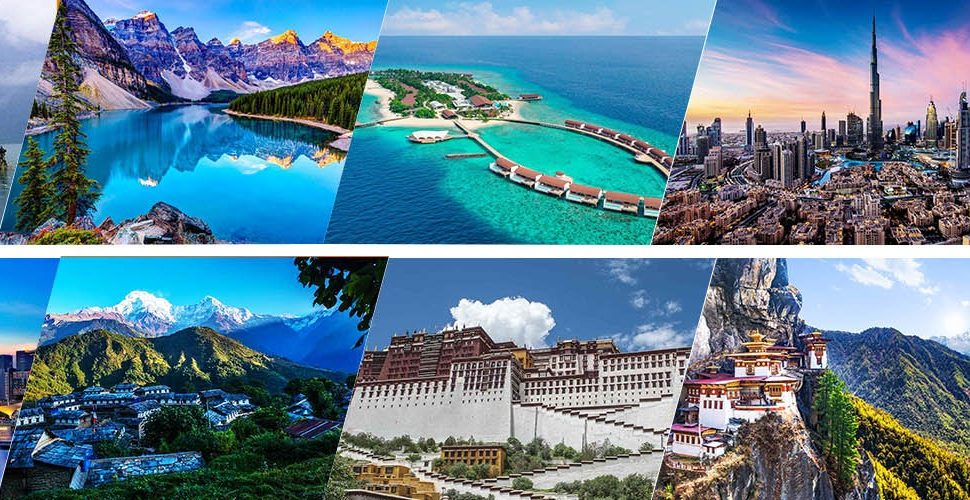
In an age where travel has become more accessible than ever, popular tourist spots often face overcrowding, commercialization, and a loss of authenticity. More travelers are now seeking something different—something real. The desire to step off the beaten path and explore untravelled destinations is shaping a new kind of travel culture: one focused on discovery, sustainability, and meaningful connection.
This guide explores why venturing into lesser-known places offers some of the most rewarding travel experiences, and how you can begin your own journey into the unexplored.
1. The Appeal of Untravelled Destinations
Untravelled destinations invite you to see the world beyond postcards and social media filters. These places offer:
- Authenticity: You experience local life as it truly is, not staged for tourists.
- Peace and Space: No long queues, crowded viewpoints, or inflated prices.
- Connection with Nature and Culture: Remote areas often preserve traditional ways of life and unspoiled landscapes.
For many travelers, the greatest luxury today is not five-star comfort—it’s the feeling of discovery.
2. Examples of Hidden Gems Around the World
In Nepal
- Tsum Valley: Nestled near the Manaslu region, this sacred valley remains one of Nepal’s most serene trekking destinations.
- Rara Lake: Often called the “Queen of Lakes,” Rara’s crystal-blue waters and alpine meadows are breathtaking yet rarely visited.
- Dolpo: A land of ancient monasteries and rugged terrain, Dolpo offers the quiet majesty of the Himalayas without crowds.
Beyond Nepal
- Georgia’s Svaneti Region: High in the Caucasus Mountains, medieval stone towers and pristine trails await explorers.
- Azores, Portugal: A collection of volcanic islands in the Atlantic, offering green craters, hot springs, and whale watching.
- Ladakh, India: A high-altitude desert of monasteries, mountain passes, and vast open skies.
These destinations remind travelers that beauty is not confined to famous names—it thrives quietly, waiting to be found.
3. Preparing for Offbeat Travel
Exploring untravelled places requires more planning and adaptability than mainstream tourism. Consider the following:
- Research and Respect: Learn about local customs, languages, and traditions.
- Sustainable Choices: Choose eco-friendly lodges, avoid single-use plastics, and respect local environments.
- Health and Safety: Carry essential medicines, travel insurance, and emergency contacts.
- Flexibility: Infrastructure in remote areas may be limited—embrace the unpredictability as part of the adventure.
A flexible mindset turns every obstacle into an opportunity for learning.
4. Traveling Responsibly
Offbeat destinations are often environmentally delicate and culturally sensitive. Responsible travel ensures that exploration benefits both visitors and locals.
- Support local guides, homestays, and artisans.
- Avoid disturbing wildlife or sacred sites.
- Share your experiences online thoughtfully—avoid revealing exact locations if it may attract mass tourism that harms the area.
Traveling consciously helps preserve these hidden corners for future generations.
5. The Rewards of Going Beyond the Map
Traveling to lesser-known destinations changes the way we see the world. It invites patience, humility, and genuine curiosity. You may find yourself sipping butter tea in a remote village, hiking through silent forests, or watching the sunrise over a mountain that has no name on the map.
Such moments remind us why we travel—not to tick places off a list, but to understand the world and our place in it.
Final Thoughts
Exploring untravelled destinations is more than an adventure; it is a philosophy of travel rooted in curiosity, respect, and authenticity. When we choose to go where few others have gone, we rediscover the true essence of exploration.
In a world where almost every corner seems documented, the real journey lies in seeking stories untold and landscapes unseen. So, pack your curiosity, open your mind, and step off the well-worn path—the world still holds countless places waiting to be discovered.