The Mani Rimdu Festival Trek in the high Khumbu region of Nepal is a unique combination of culture, spirituality, and mountain adventure. Each fall the Sherpa people convene at Tengboche Monastery to celebrate Mani Rimdu, a three-day festival which emphasizes…
Overview
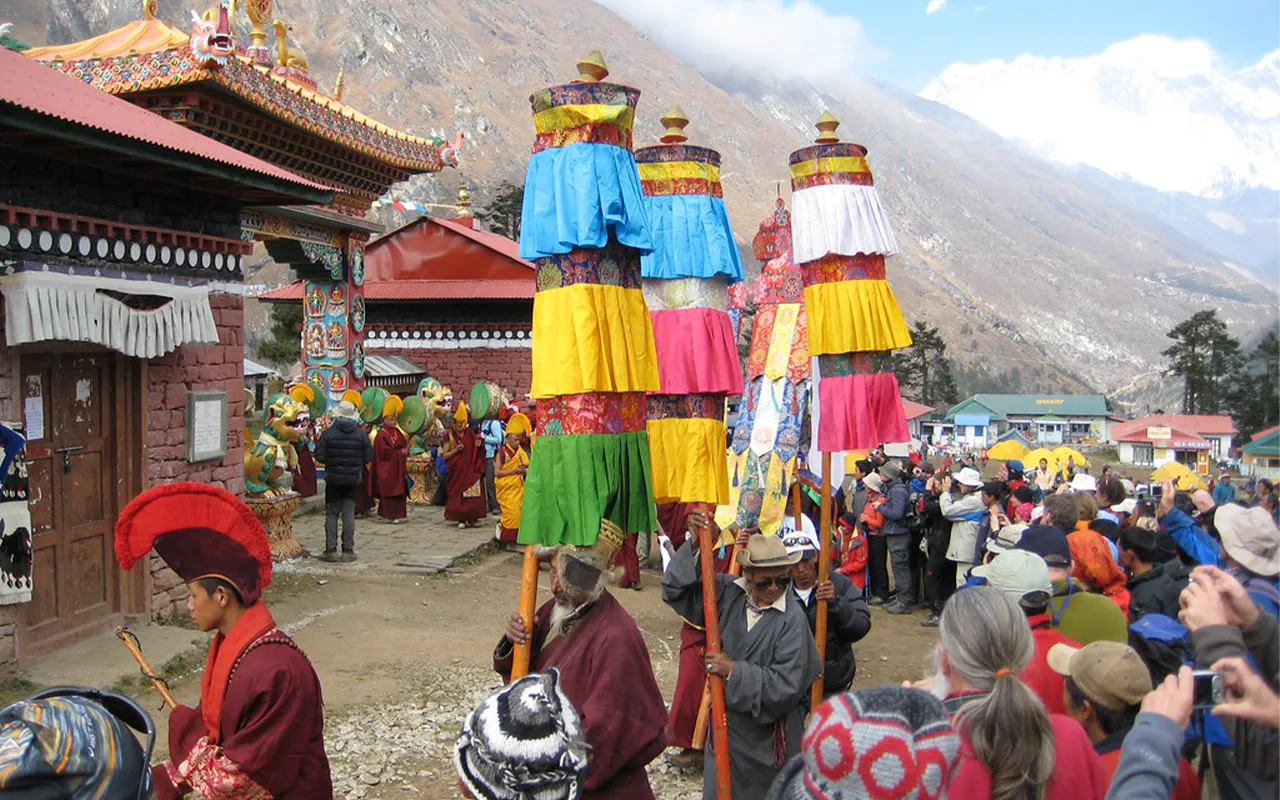
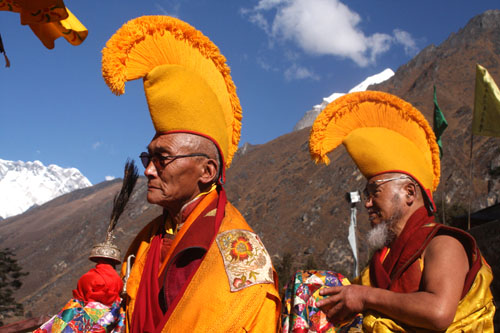
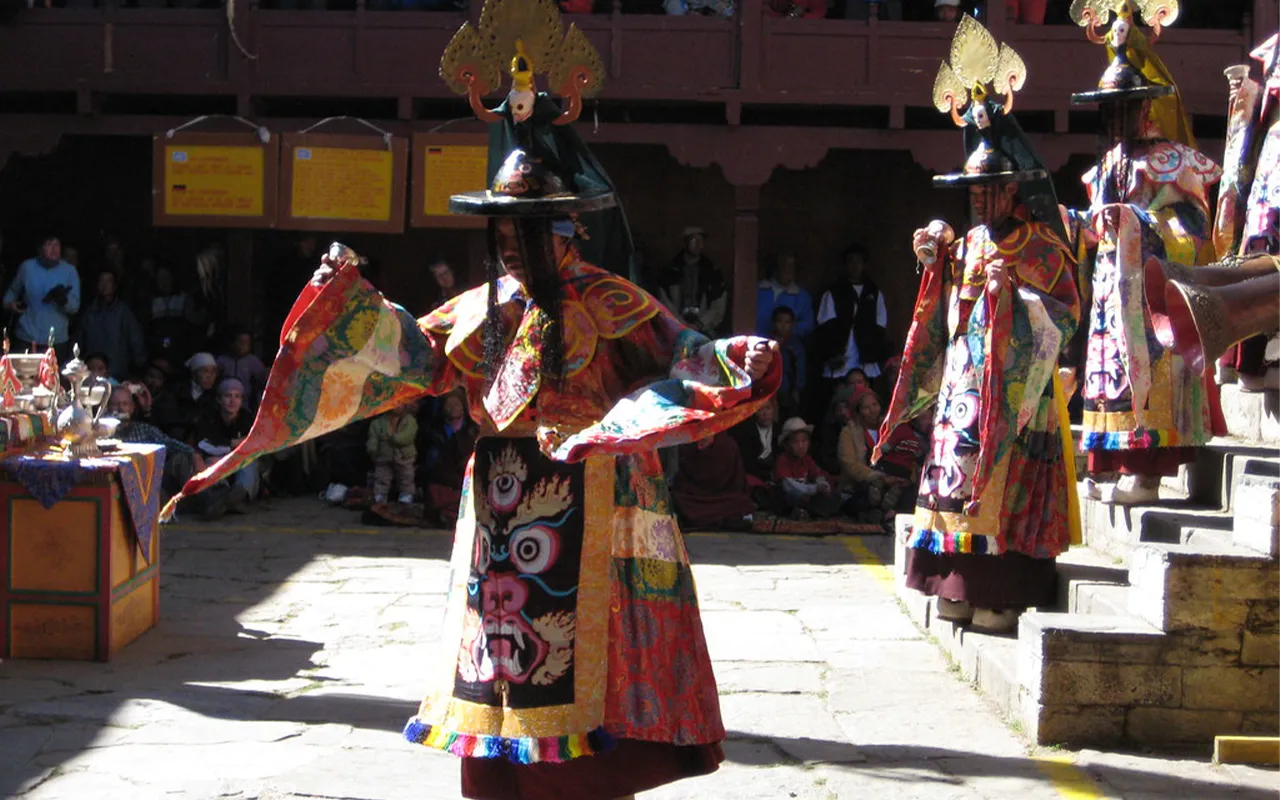
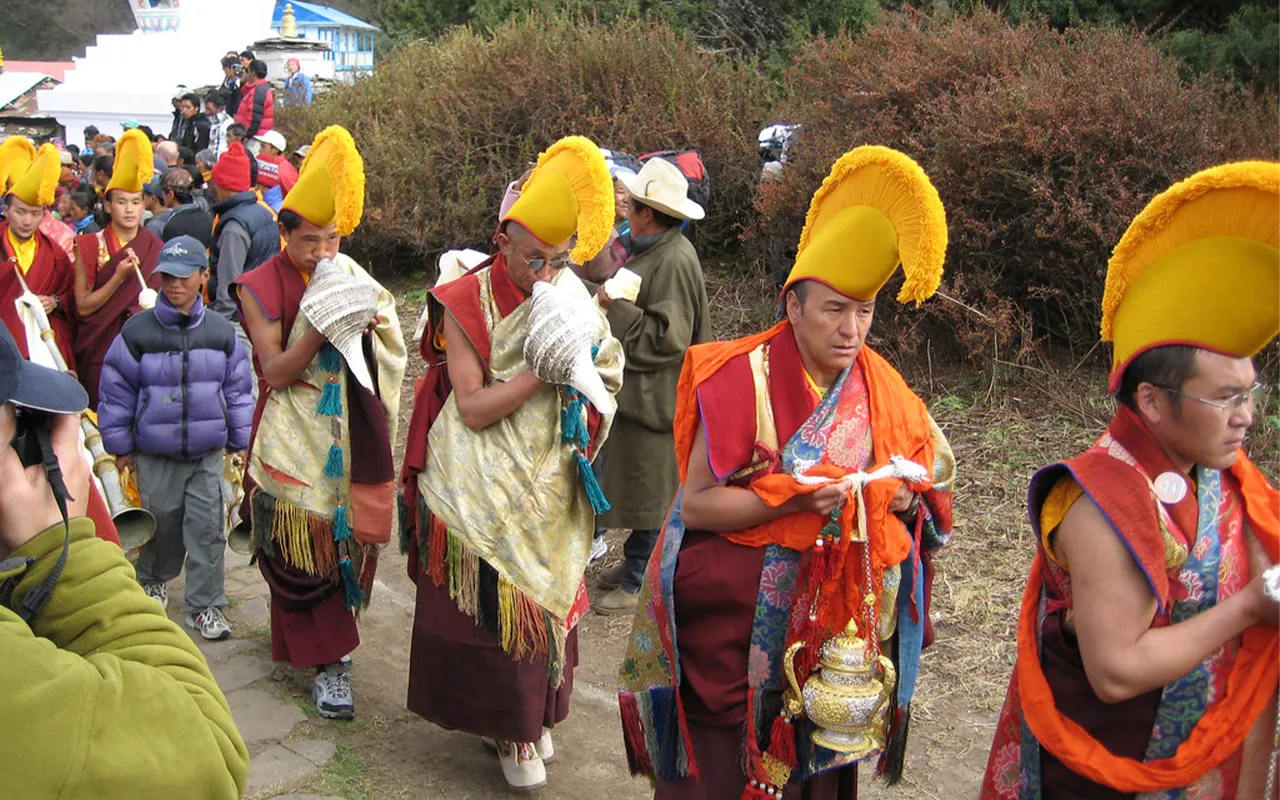
The Mani Rimdu Festival Trek in the high Khumbu region of Nepal is a unique combination of culture, spirituality, and mountain adventure. Each fall the Sherpa people convene at Tengboche Monastery to celebrate Mani Rimdu, a three-day festival which emphasizes…
Itinerary
Cost
The Cost Includes
- Accommodation Twin-sharing/double accommodation in a 3-star hotel for 2 nights in Kathmandu including breakfast (Private room accommodation can be organized at an extra cost) Twin-sharing guesthouse accommodation during the treks. Meals & Drinking Water All your standard meals during the trek 3 meals a day (Breakfast, Lunch & Dinner) in a guest houses. A farewell dinner on the last night in Nepal Purified drinking water during the trek using Water Filter or water purification tablets. Transportation All (international and domestic) airport transfers on a tourist vehicle Round-trip airfare between Kathmandu/Manthali and Lukla Kathmandu – Manthali – Kathmandu transportation by shared tourist vehicle Guide and Staff Experienced, first-aid trained, government licensed, English speaking, and locally recruited Nomad Adventure’s trekking guide (2 guides for group size more than 7 people) Porters during the trek for carrying luggage (1 porter for every 2 clients) Wages, accommodation, meals, gear, insurance and medications for all staff Medical Assistance Assistance in arranging rescue operations in case of complicated health conditions (funded by your own travel insurance) Medical kits, including an oximeter to monitor blood oxygen saturation levels in high altitudes Permits Sagarmatha (Everest) National Park Permit Pasang Lhamu Rural Municipality fee TIMS (Trekkers’ Information Management System) card Benefits and Takeaways Sleeping bags and down jackets, duffle bag (one for every two trekkers) if you do not have your own to be returned after trip completed company’s T-shirt & Cap Trip completion certificate Administrative & Taxes All administrative expenses and government taxes
The Cost Excludes
- Price Excludes Lunch and dinner in Kathmandu (except farewell dinner). International flight fare and airport departure tax Nepal Entry Visa (Visa can be acquired easily after your arrival at Tribhuvan International Airport in Kathmandu with a fee of USD 30 for 15 days visa, USD 50 for 30 days visa and USD 125 for 90 days visa) Guided tour in Kathmandu (Private car + tour Guide), Monument entrance fees while sightseeing in Kathmandu Extra night accommodations in Kathmandu due to early arrival or late departure, early return from the trek or other itinerary changes Travel insurance along with high-altitude emergency evacuation coverage Medical check-ups, vaccinations, or medications required for the trek are not included. Any beverages including bottled and boiled water Tips to trekking staff and driver Personal trekking gear and equipment Personal expenses (shopping, snacks, boiled bottle water, hot (Tea/ Coffee) and cold drinks, hot shower, alcohol, Wi-Fi, telephone call, battery re-charge fee, extra porters, etc Personal clothing and gear Any Additional cost due to Nature calamity and Unforeseen Circumstances etc. Any expenses other than the Price Include section
FAQs
The words “Mani” and “Rimdu” have their origin in the Tibetan language. Tibetan people use the word “Mani” to refer to a sacred chant and “Rimdu” to a sacred pill and/or a form of blessing. The purpose of Mani Rimdu festival is to pray and offer blessed pill to the devotees.
Mani Rimdu festival moves according to the Tibetan lunar calendar so, it takes place from late October to early November. Every year the date of the festival is set and communicated to people by the head monk at the Tengboche Monastery.
The trek is considered moderate in its difficulty level. It feels demanding because you walk for 3 to 7 hours each day and have to ascend and descend steep gradients. The Namche acclimatization is helpful for your acclimatization and it is a journey that anyone with fitness and the right attitude can enjoy.
Having some trekking experience will help you with this one but it is certainly not a requirement. Training and taking appropriate guidance will help a lot to people with no experience. The trekking is less than 4,000m so the chances of extreme altitude sickness are lower but not eliminated.
You will need an entry permit for Sagarmatha National Park (cost – NPR 3,000) along with a Khumbu Pasang Lhamu Rural Municipality permit (cost – NPR 2,000). These permits are purchasable in Lukla or Monjo, or in Kathmandu. For this trek, TIMS cards are not a necessity.
Accommodation is in simple tea houses with twin beds, basic bedding and a commons area for meals. Some villages do offer a hot shower, the ability to charge electronics, and Wi-Fi for a charge, however those services are often inaccessible in places like Tengboche.
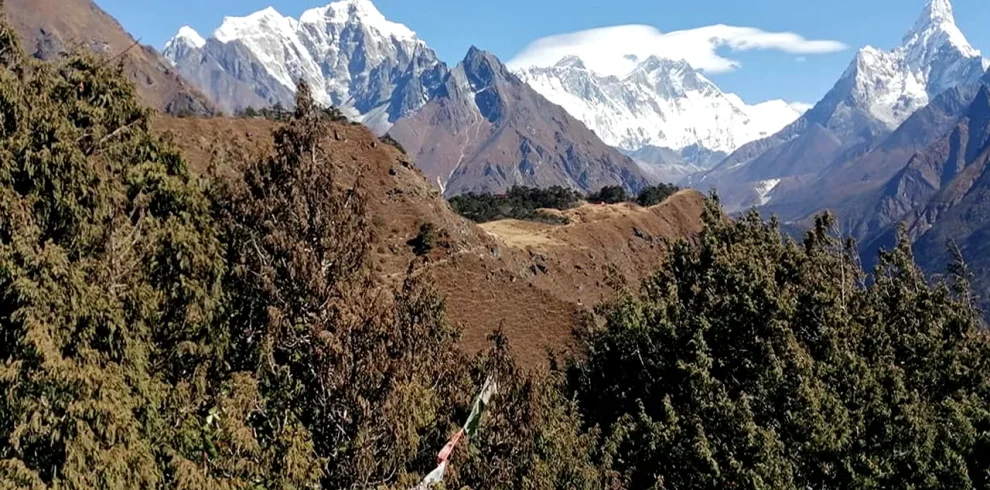
Yes. There are spots on the trail, especially around Namche and Tengboche, where Everest along with Lhotse, Nuptse, Ama Dablam, and other mountains can be viewed very well.
You need to pack layered clothing (base layer, fleece, down jacket, and a waterproof shell), trekkers’ boots, a warm hat and gloves, water purification tablets, a first-aid kit, sunglasses, and a power bank. For much colder nights a sleeping bag is required which can be rated to -10°C.
In Lukla and Namche Bazaar, there is some Wi-Fi for a fee. Beyond these areas, there is little to no internet. You may want to buy an Everest Link card for internet access or simply enjoy a digital detox on the trek.
You should dress modestly, do not talk too loudly, and take off your hat and shoes before entering the prayer halls. You may photograph monks and ceremonies, but you should always ask permission. Donations to the monastery help pay for its maintenance.