Experience a unique blend of adventure, spirituality, and natural beauty on the 10-day Everest Monastery Yoga Trek. It is a trip that brings you into the core of the Nepal Everest area, where you will do some light mountain trekking,…
Overview
Experience a unique blend of adventure, spirituality, and natural beauty on the 10-day Everest Monastery Yoga Trek. It is a trip that brings you into the core of the Nepal Everest area, where you will do some light mountain trekking,…
Itinerary
Cost
The Cost Includes
- Accommodation Twin-sharing / double accommodation in a 3-star hotel in Kathmandu for 2 nights with breakfast. (Private single room available at extra cost.) Twin-sharing accommodation in cozy mountain teahouses during the trek (7 nights) in places like Dhap, Jhapre, Pikey Base Camp, Jasmane Bhanjyang, Junbesi, and Phaplu. Meals & Drinking Water Three meals a day (breakfast, lunch, and dinner) during the trek at local teahouses. A farewell dinner on the last night in Kathmandu. Safe drinking water throughout the trek, filtered or purified using tablets. Transportation All airport transfers in Kathmandu by private tourist vehicle. One-way scenic drive from Kathmandu to Dhap Bazaar by shared tourist vehicle. One-way flight from Phaplu to Kathmandu. Yoga & Meditation Daily guided yoga and meditation sessions led by a certified instructor. Morning and evening practices designed for relaxation, stretching, and mindfulness. Guide and Staff Licensed, English-speaking, first-aid-trained trekking guide with experience in yoga treks. Porter service to carry your main luggage (one porter for every two trekkers). All wages, meals, accommodation, gear, insurance, and medical supplies for staff. Medical Assistance First-aid kit and oximeter for altitude monitoring. Help in arranging rescue operations in case of emergency (covered by your travel insurance). Permits Sagarmatha (Everest) National Park Entry Permit. Gaurishankar Conservation Area Permit and local rural municipality (local area) fee. TIMS (Trekkers’ Information Management System) card if required by current regulations. Benefits and Takeaways Sleeping bag, down jacket, and duffel bag (to be returned after trek completion). Company’s T-shirt and cap. Trek completion certificate. Administrative & Taxes All administrative costs and applicable government taxes.
The Cost Excludes
- Lunch and dinner in Kathmandu (except farewell dinner). International flights and airport departure tax. Nepal entry visa (USD 30 for 15 days, USD 50 for 30 days, USD 125 for 90 days – available on arrival). Guided sightseeing tour in Kathmandu, private car, and entrance fees to monuments.Extra hotel nights in Kathmandu due to early arrival, late departure, or flight delays. Travel insurance that includes high-altitude trekking and helicopter evacuation. Any medical check-ups, vaccinations, or personal medicines before the trip. Bottled and alcoholic beverages, bar bills, or drinks beyond the provided water. Tips for trekking staff and driver. Personal trekking gear and equipment. Any cost not mentioned in the “Included” section. Personal expenses such as snacks, hot showers, Wi-Fi, charging, laundry, extra porters, or drinks (tea/coffee, juice, alcohol, etc.).
FAQs
It is an exclusive 10 day yoga and trek in the Everest region of Nepal that will provide the combination of daily yoga sessions with picturesque mountain walks. Every day starts with yoga or meditation followed by a walk around the Sherpa villages, forests and ridges.
This Everest Monastery Yoga Trek lasts 10 days. You spend Day 1 in Kathmandu, Day 2 driving to Dhap, and trek from Day 3 through villages (Jhapre, Junbesi, etc.) up to Pikey Peak and down to Phaplu, finally flying back to Kathmandu on Day 9. You return home on Day 10.
The highest point is Pikey Peak Summit (4,065 m) on Day 5. However, you sleep lower each night (highest camp is 3,640 m). Most other days stay below 3,500 m.
Accommodations are in simple teahouse or guesthouses along the trail (shared rooms, basic but clean). You’ll have twin/triple rooms in mountain villages. In Kathmandu, you stay in a comfortable 3-star hotel in Thamel (with private bathroom).
The trek is rated easy to moderate. Trails are well-defined without steep passes. You trek about 4–6 hours per day, with steady altitude gain. Most days involve gradual climbs.
Yes. The trek includes all the breakfast, lunch and dinner. The food is mostly Nepali and Tibetan fare (such as dal bhat -lentil soup with rice, noodle soups, curries) and will be vegetarian alternatives.
Yes. The itinerary includes daily morning yoga (asana) and guided meditation sessions at scenic stops or monasteries. These gentle classes (hatha and pranayama style) are led by our instructors. They focus on stretching, breathing, and mindfulness suitable for all levels.
No prior experience is needed. All yoga levels are welcome. Simple practices are provided by instructors and are easy to follow. It does not focus on advanced poses and is focused on relaxation and breathing.
You are supposed to be physically fit and healthy. Prior to the trek, it is recommended to perform cardio (running, cycling, brisk walking) regularly.
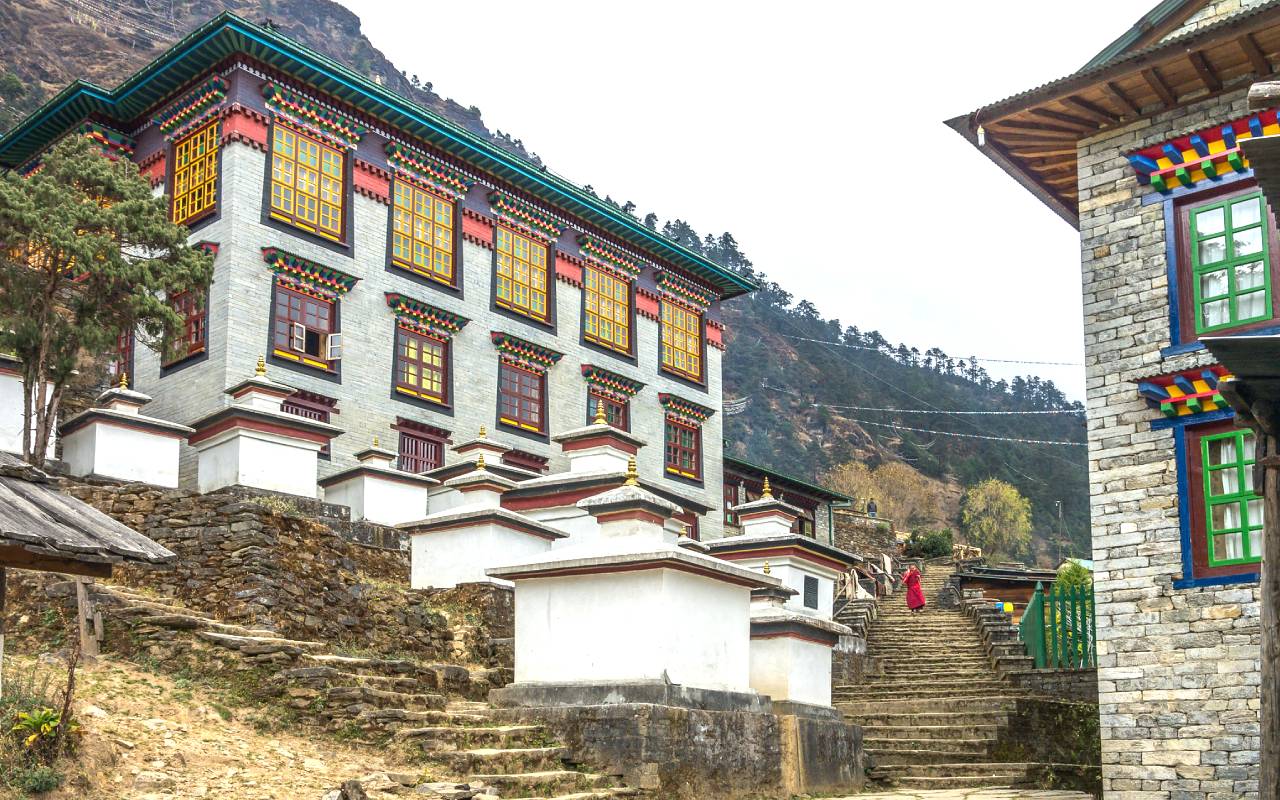
Yes. Our itinerary includes an acclimatization day in Junbesi (around 2700m) on Day 7. You do a short, easy trek to Thupten Choeling Monastery(3,000 m) and then descend. This rest day lets your body adjust to higher altitude.
Spring (March–May) and autumn (Sept–Nov) are the best seasons. During these times the skies are clear, temperatures are mild, and views are spectacular. Spring brings blooming rhododendrons; autumn has stable weather. Summer (June–Aug) is monsoon season (rain and mud – not recommended), and winter nights (Dec–Feb) are very cold at altitude, though days can be clear.
Yes. There must be travel insurance that includes high-altitude-trekking and evacuation during an emergency. Ensure that it includes helicopter rescue and hospitalization in Nepal. This will provide early assistance in case of an accident or severe altitude sickness. Insurance provider usually demand evidence of trekking permit.
Yes. It’s well-suited for fit beginners. The group pace is gentle and includes rest days. Solo travelers are very welcome – you will join a small group and have Nepalese guides for support.
Pack layered trekking clothes (quick-dry shirts, trekking pants), a warm down jacket, and a good sleeping bag rated to –10°C. Quality trekking boots or trail shoes are essential. Bring a wide-brimmed hat, sunglasses and high SPF sunscreen. A reusable water bottle and water purification tablets or filter are needed.
Yes. You can hire a porter to carry your main duffel bag. Typically one porter can carry up to 30kg (for two people), so two trekkers share one porter.
Our guides pay attention to the health of everyone. In case you are not well, they will reduce the speed or will plan a shorter road that day. Resting and additional hydration are suggested as mild symptoms of the altitude (headache and nausea). We have simple first-aid kits as well. If someone’s condition becomes worse, we will descend to a lower altitude immediately and arrange further support if needed.
No. There may be germs in the tap water and in the river water. It is important to drink treated or boiled water. We provide purification tablets and boiled water at teahouses. To stay healthy, apply hand sanitizer/wipe off before eating.
Yes. Many women trek solo or in all-female groups in Nepal. The Everest region is safe and welcoming. Your guides and fellow trekkers will help you adjust. Sherpa communities are very hospitable.
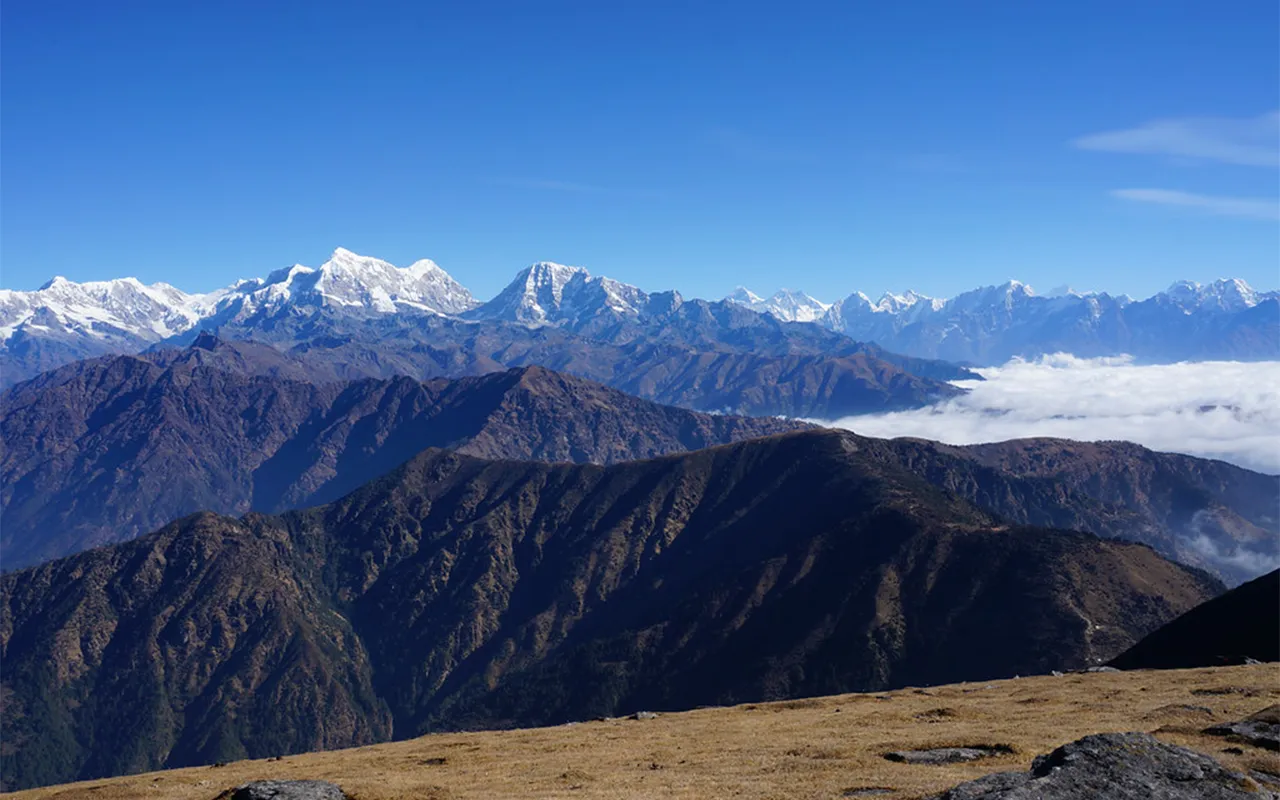
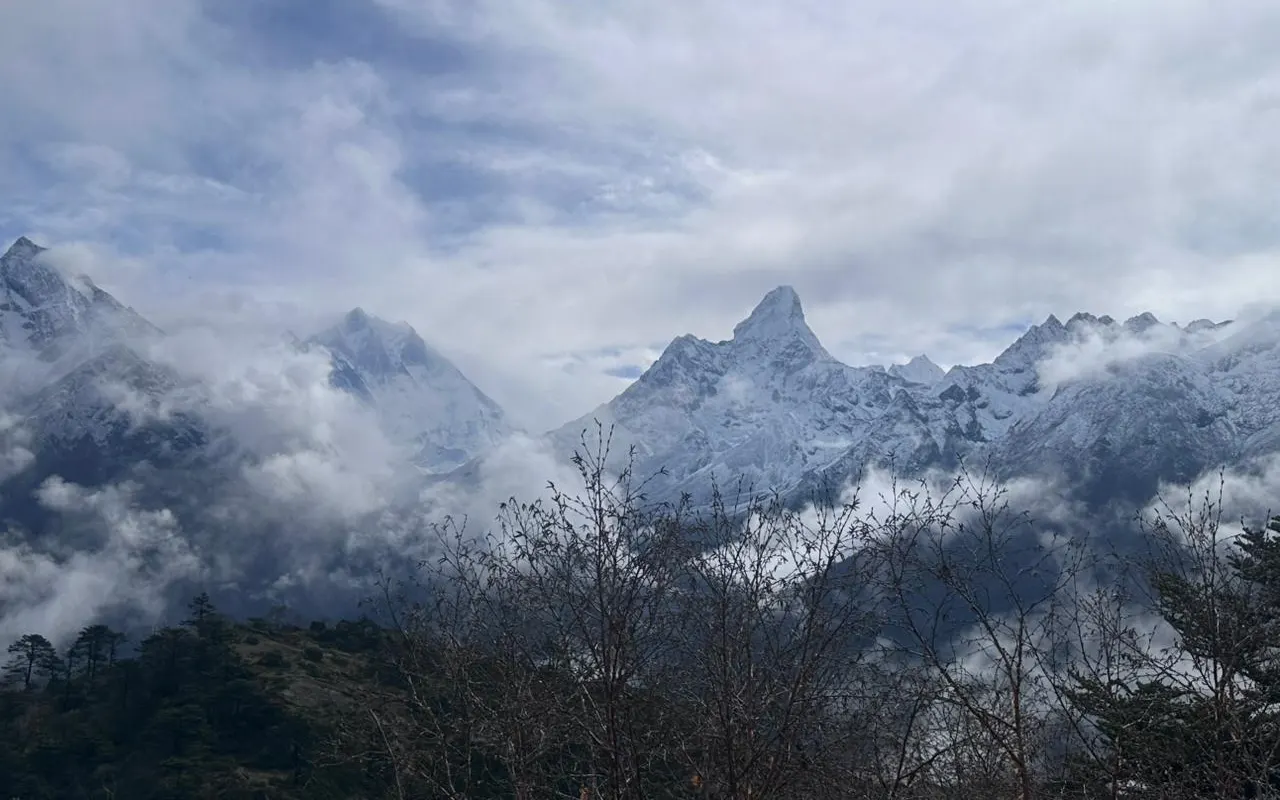
Yes. Several viewpoints along the trek afford views of Mount Everest. For example, from the village of Jhapre you can see Everest above the Himal range if the skies are clear. The summit of Pikey Peak also offers a wide, unobstructed view of Mount Everest and its neighbouring peaks.