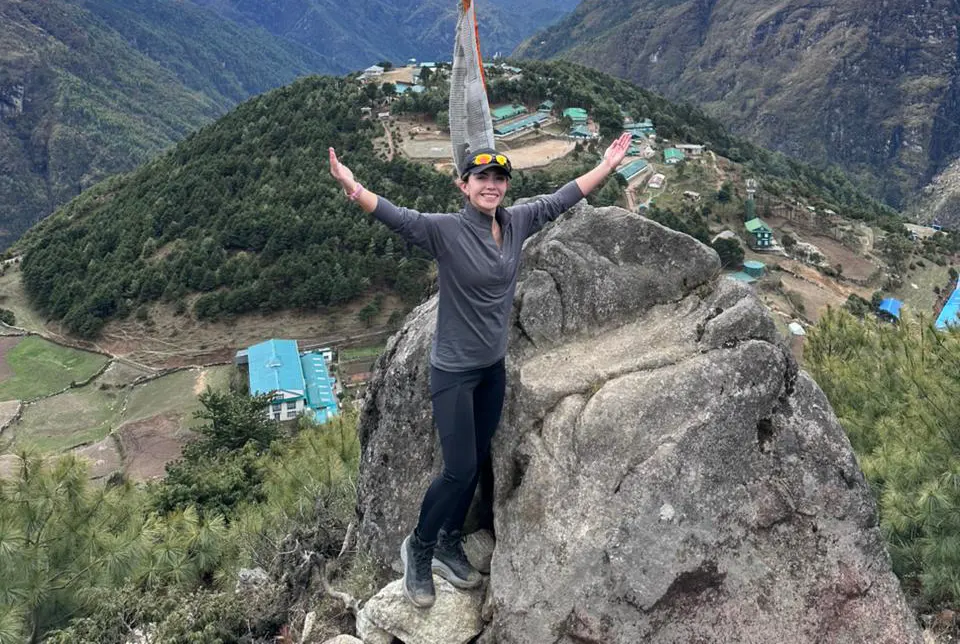
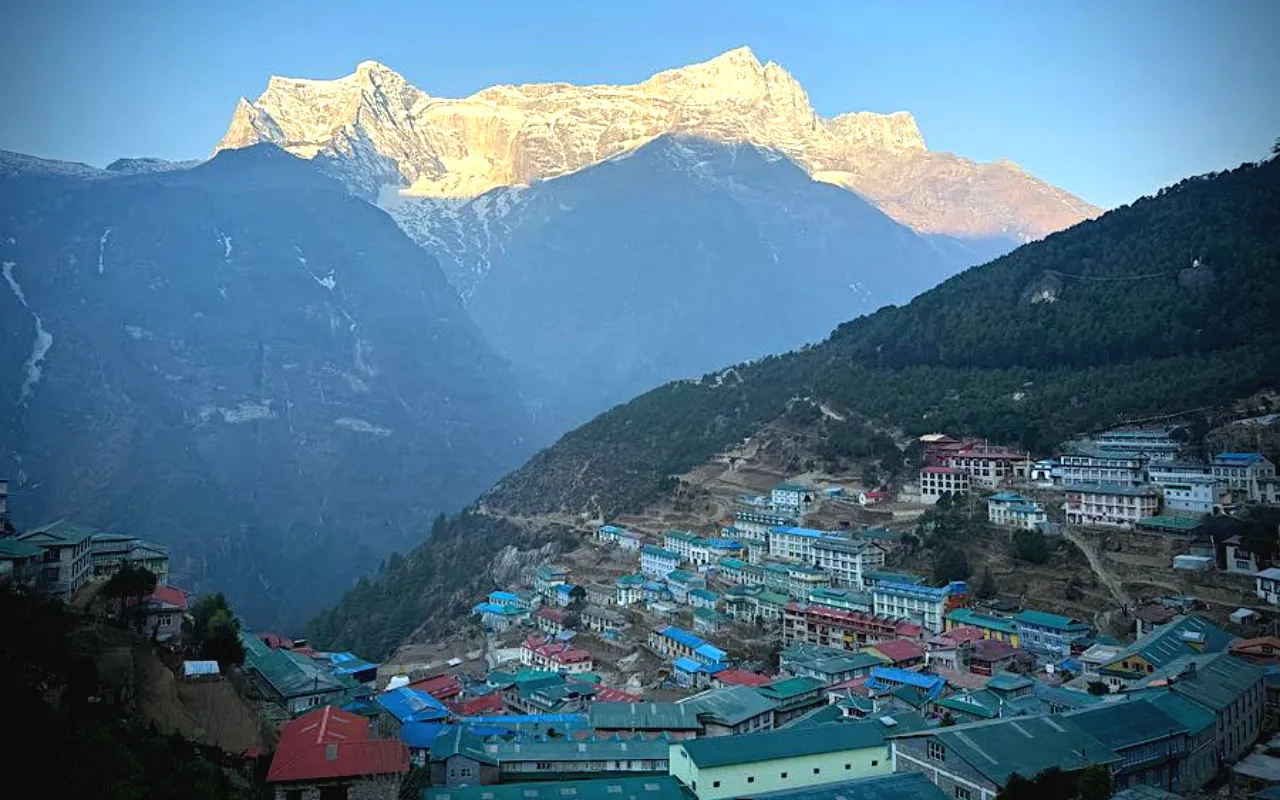
For many, climbing Everest is a test of endurance, willpower, and pushing yourself to the limits. Tens of thousands of people every year try to conquer Mt. Everest by reaching the top, but not everyone has the same idea of…
Overview
For many, climbing Everest is a test of endurance, willpower, and pushing yourself to the limits. Tens of thousands of people every year try to conquer Mt. Everest by reaching the top, but not everyone has the same idea of…
Itinerary
Cost
The Cost Includes
- Accommodation Twin-sharing/double accommodation in a 3-star hotel for 3 nights in Kathmandu including breakfast (Private room accommodation can be organized at an extra cost) Twin-sharing guesthouse accommodation during the trek for 7 nights in the Everest Region with attached toilets in Lukla, Phakding & Namche Meals & Drinking Water All your standard meals during the trek 3 meals a day (Breakfast, Lunch & Dinner) in a guest houses A farewell dinner on the last night in Nepal Purified drinking water during the trek using Water Filter or water purification tablets. Transportation All (international and domestic) airport transfers on a tourist vehicle Round-trip airfare between Kathmandu/Manthali and Lukla Kathmandu – Manthali – Kathmandu transportation by shared tourist vehicle Guide and Staff Experienced, first-aid trained, government licensed, English speaking, and locally recruited Nomad Adventure’s trekking guide (2 guides for group size more than 7 people) Porters during the trek for carrying luggage (1 porter for every 2 clients) Wages, accommodation, meals, gear, insurance and medications for all staff Guided tour in Kathmandu (Private car + tour Guide) Medical Assistance Assistance in arranging rescue operations in case of complicated health conditions (funded by travel insurance) Medical kits, including an oximeter to monitor blood oxygen saturation levels in high altitudes Permits Sagarmatha (Everest) National Park Permit Pasang Lhamu Rural Municipality fee TIMS (Trekkers’ Information Management System) card Benefits and Takeaways Sleeping bags and down jackets, duffle bag (one for every two trekkers) if you do not have your own company’s T-shirt & Cap Trip completion certificate Administrative & Taxes All administrative expenses and government taxes
The Cost Excludes
- Price Excludes Lunch and dinner in Kathmandu International flight fare and airport departure tax Nepal Entry Visa (Visa can be acquired easily after your arrival at Tribhuvan International Airport in Kathmandu with a fee of USD 30 for 15 days visa, USD 50 for 30 days visa and USD 125 for 90 days visa) Monument entrance fees while sightseeing in Kathmandu Extra night accommodations in Kathmandu due to early arrival or late departure, early return from the trek or other itinerary changes Travel insurance along with high-altitude emergency evacuation coverage Medical check-ups, vaccinations, or medications required for the trek are not included. Any beverages including bottled and boiled water Tips to trekking staff and driver Personal trekking gear and equipment Any expenses other than the Price Include section Personal expenses (shopping, snacks, boiled bottle water, hot (Tea/ Coffee) and cold drinks, hot shower, alcohol, Wi-Fi, telephone call, battery re-charge fee, extra porters, etc Personal clothing and gear
FAQs
Our Everest Panorama Trek 11 Days covers all your accommodation expenses, food expenses (daily breakfast, lunch, and dinner), daily wages of guides and porters, transportation expenses (flight to Lukla and more), trek permits for Everest, insurance cost for guides and porters, and more. You can consult with the trek guide about the inclusiveness of the trek package. Basically anything that is not said to be inclusive is exclusive of the package.
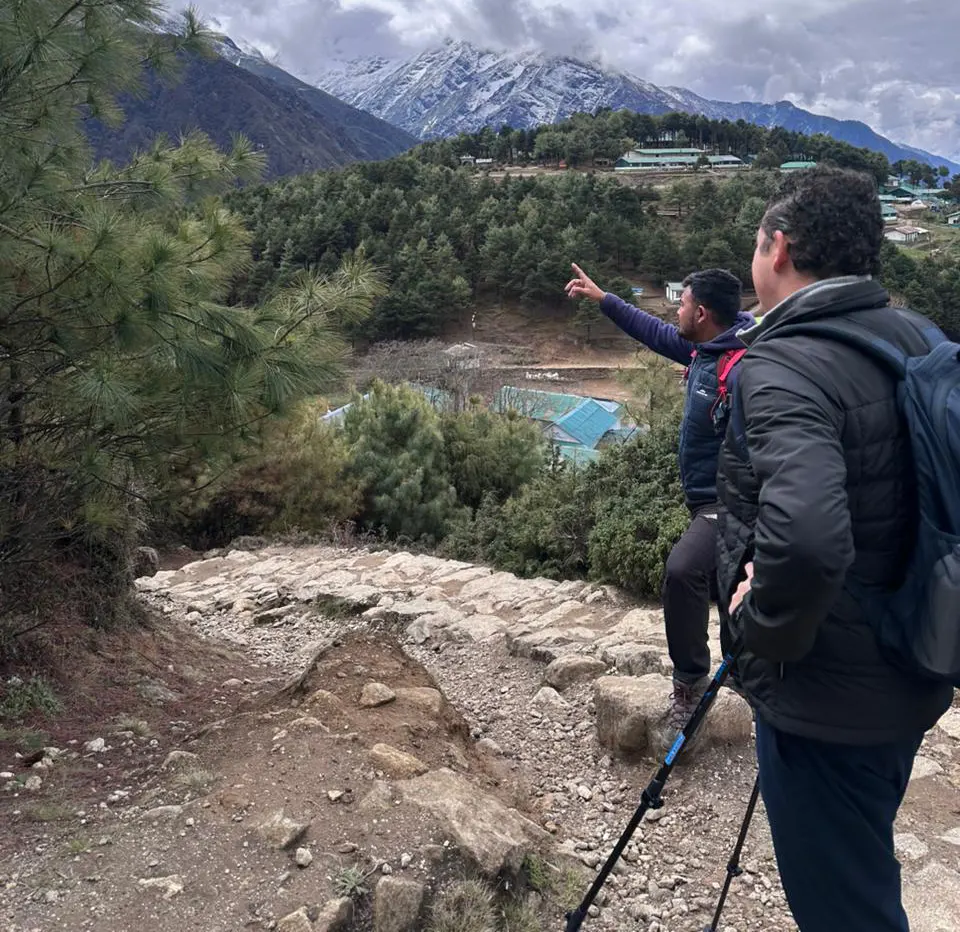
No, entering the Everest region requires all international trekkers to have a licensed guide with them. Trekkers who are seen alone will be transferred back to Kathmandu and fined for breaking the law. Although a porter is not mandatory, the duo of guide and porter will serve you the best in the harsh cold conditions of Everest.
The risk of altitude sickness is not a major threat to our Everest Panorama Trek 11 Days itinerary since we barely make it above 3900 meters above sea level. There is basically no threat of altitude sickness at such low elevation. You can go around trekking without any worry.
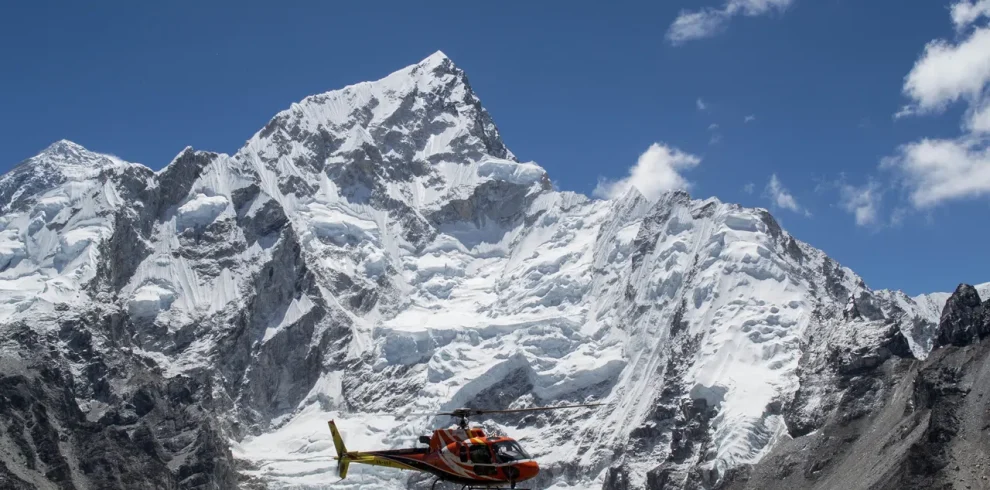
If you need immediate medical support, you should let the trek guide know and make him call the emergency evacuation services. A helicopter will come to pick up the injured/diseases and transport them to the nearest hospital for immediate care.
You do not need anything specific or special for this Everest Panorama Trek 11 Days; all you need is a couple of down jackets, trekking pants, a pair of trekking boots, trekking poles, shades, a beanie, and other essential clothing items. We are not climbing peaks or crossing deep crevasses; we do not require any other tools.