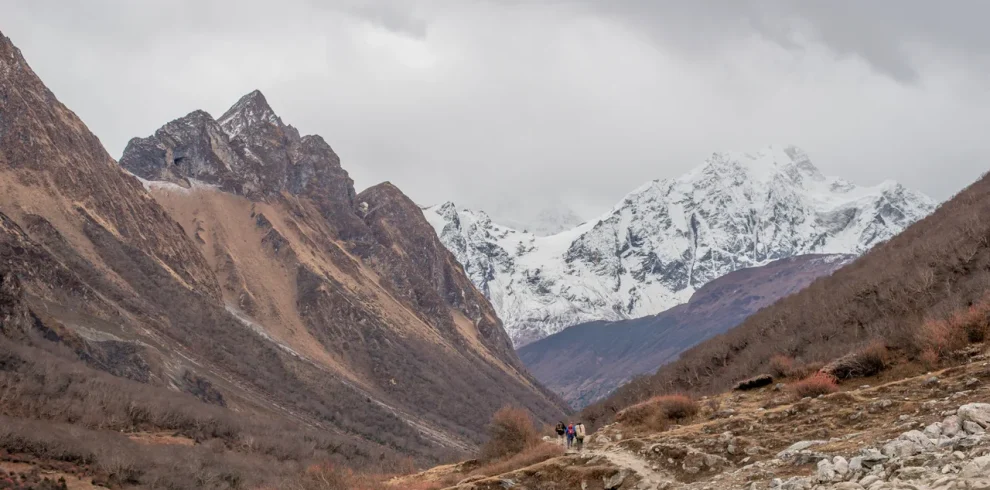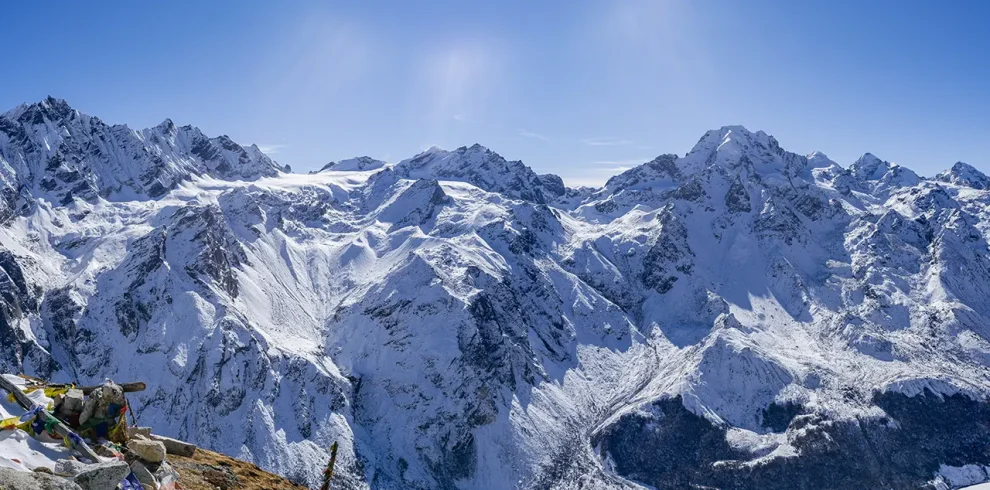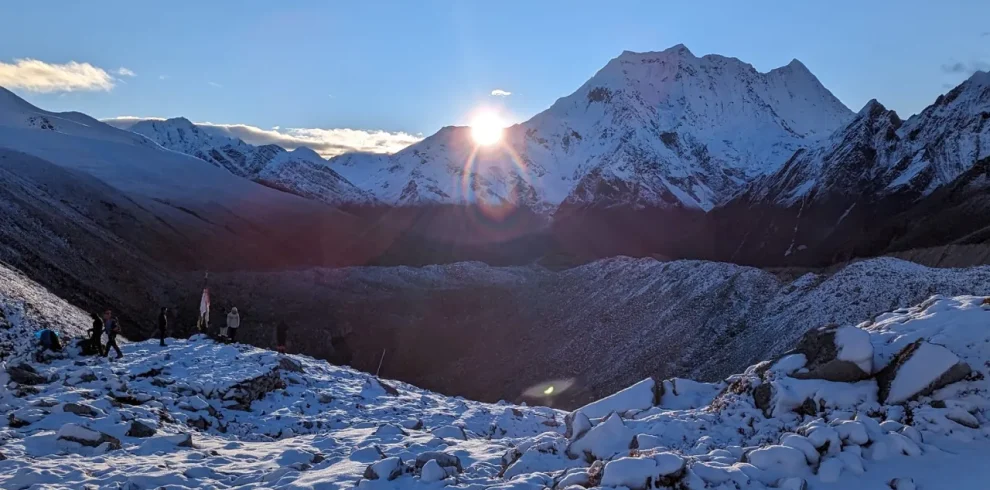
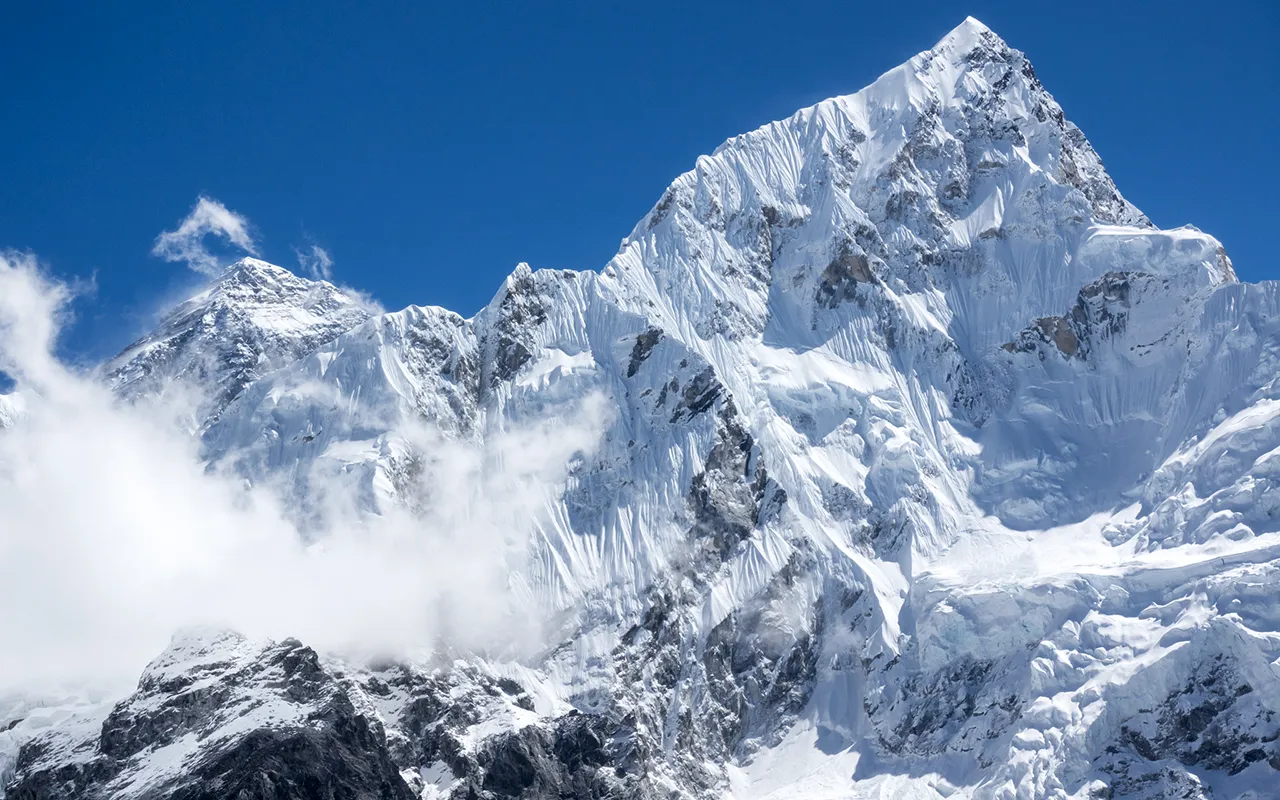
The Everest View Luxury Trek return by Helicopter is an exclusive 5-day journey that blends Himalayan adventure with high-end comfort. This luxury Everest trek starts in bustling Kathmandu and immediately immerses you in the beauty of Nepal’s mountainous landscapes. You…
Overview
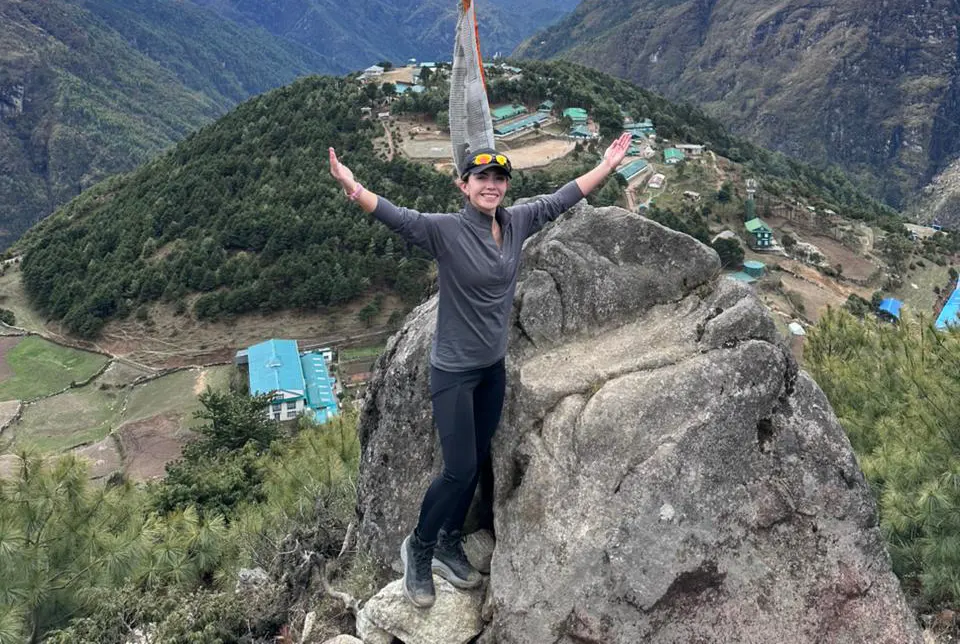
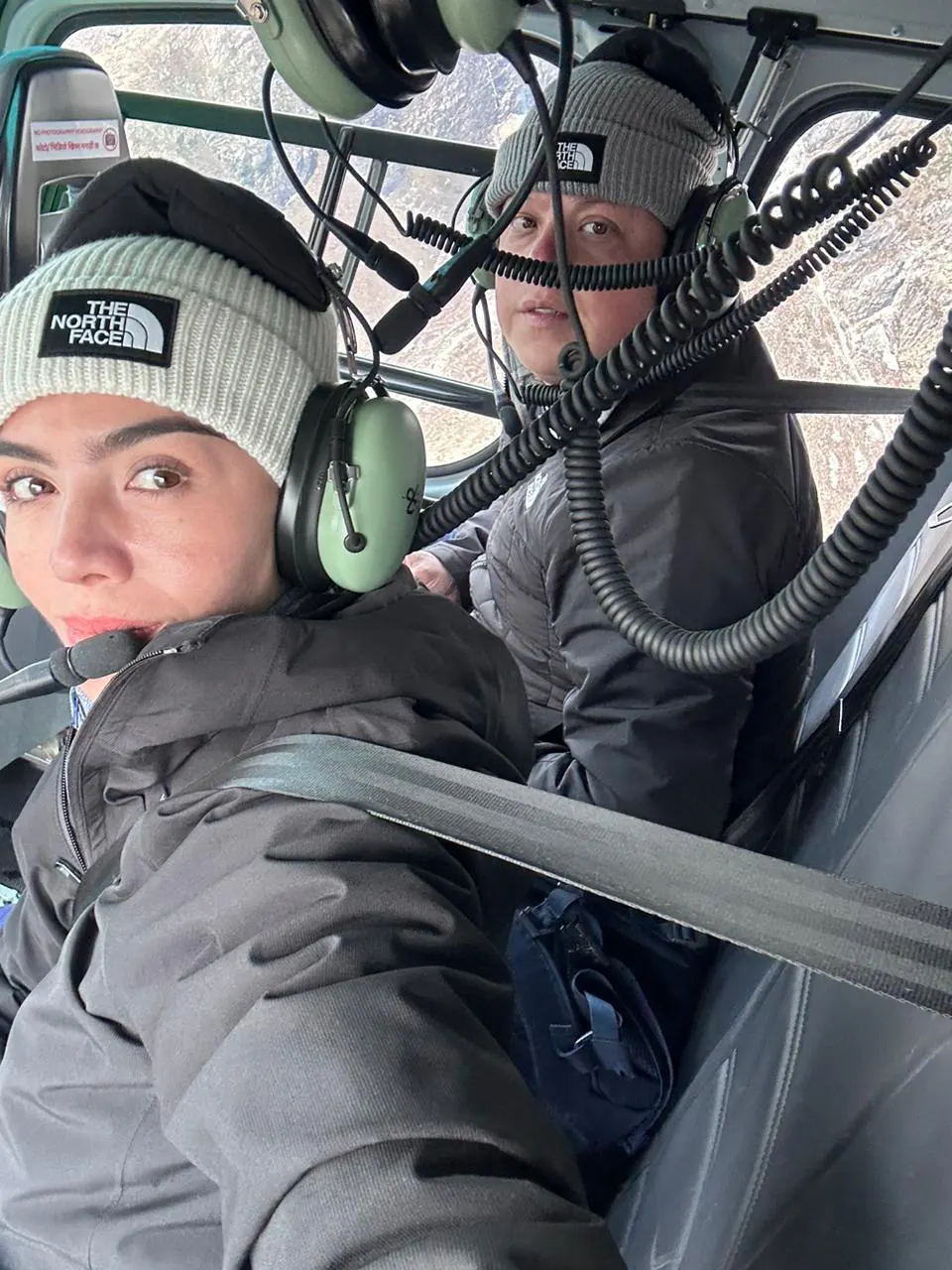
The Everest View Luxury Trek return by Helicopter is an exclusive 5-day journey that blends Himalayan adventure with high-end comfort. This luxury Everest trek starts in bustling Kathmandu and immediately immerses you in the beauty of Nepal’s mountainous landscapes. You…
Itinerary
Cost
The Cost Includes
- Accommodation Twin-sharing/double accommodation in a 3-star hotel for 2 nights in Kathmandu including breakfast (Private room accommodation can be organized at an extra cost) Twin-sharing guesthouse accommodation during the trek for 3 nights in the Everest Region with attached toilets in Lukla, Phakding & Namche Meals & Drinking Water All your standard meals during the trek 3 meals a day (Breakfast, Lunch & Dinner) guest houses. A farewell dinner on the last night in Nepal Purified drinking water during the trek using Water Filter or water purification tablets Transportation All (international and domestic) airport transfers on a tourist vehicle Flight from Kathmandu to Lukla including departure taxes Helicopter Return Helicopter Ride from Everest view hotel to Everest Base camp and back to Kathmandu (Note: for solo travelers shared helicopter rides will be provided). Guide and Staff Experienced, first-aid trained, government licensed, English speaking, and locally recruited Nomad Adventure’s trekking guide (2 guides for group size more than 7 people) Wages, accommodation, meals, gear, insurance and medications for all staff Medical Assistance Assistance in arranging rescue operations in case of complicated health conditions (funded by travel insurance) Medical kits, including an oximeter to monitor blood oxygen saturation levels in high altitudes Permits Sagarmatha (Everest) National Park Permit Pasang Lhamu Rural Municipality fee TIMS (Trekkers’ Information Management System) card Benefits and Takeaways Sleeping bags and down jackets, duffle bag (one for every two trekkers) if you do not have your own to be returned after trip completed company’s T-shirt & Cap Trip completion certificate Administrative & Taxes All administrative expenses and government taxes
The Cost Excludes
- Price Excludes Lunch and dinner in Kathmandu International flight fare and airport departure tax Nepal Entry Visa (Visa can be acquired easily after your arrival at Tribhuvan International Airport in Kathmandu with a fee of USD 30 for 15 days visa, USD 50 for 30 days visa and USD 125 for 90 days visa) Guided tour in Kathmandu (Private car + tour Guide), Monument entrance fees while sightseeing in Kathmandu Porters during the trek for carrying luggage (1 porter for every 2 clients) Extra night accommodations in Kathmandu due to early arrival or late departure, early return from the trek or other itinerary changes Travel insurance along with high-altitude emergency evacuation coverage Medical check-ups, vaccinations, or medications required for the trek are not included. Any beverages including bottled and boiled water Tips to trekking staff and driver Personal trekking gear and equipment Personal expenses (shopping, snacks, boiled bottle water, hot (Tea/ Coffee) and cold drinks, hot shower, alcohol, Wi-Fi, telephone call, battery re-charge fee, extra porters, etc Personal clothing and gear Any expenses other than the Price Include section
FAQs
Bring layered clothing (thermal base layers, fleece jackets, and a waterproof outer shell), sturdy hiking boots, warm hat and gloves, sunglasses, sunscreen, and trekking poles. Pack essentials like a daypack, water bottle, headlamp, and personal medications. Layers are key since temperatures vary widely.
You should bring a 3-season sleeping bag or a warm liner. Lodges provide blankets, but nights at 3,800 m can be very cold. Having your own sleeping bag (rated around -5°C) ensures extra warmth and hygiene.
Yes. Typically one porter is provided for every two trekkers. The porter will carry your main luggage (up to around 15–18 kg each), leaving you with only a light daypack during hikes.
If the Lukla flight is delayed or cancelled due to weather, your guide will arrange an alternate plan. Options include flying the next morning or driving to Ramechhap to catch a flight from there. The itinerary is flexible to accommodate these changes safely.
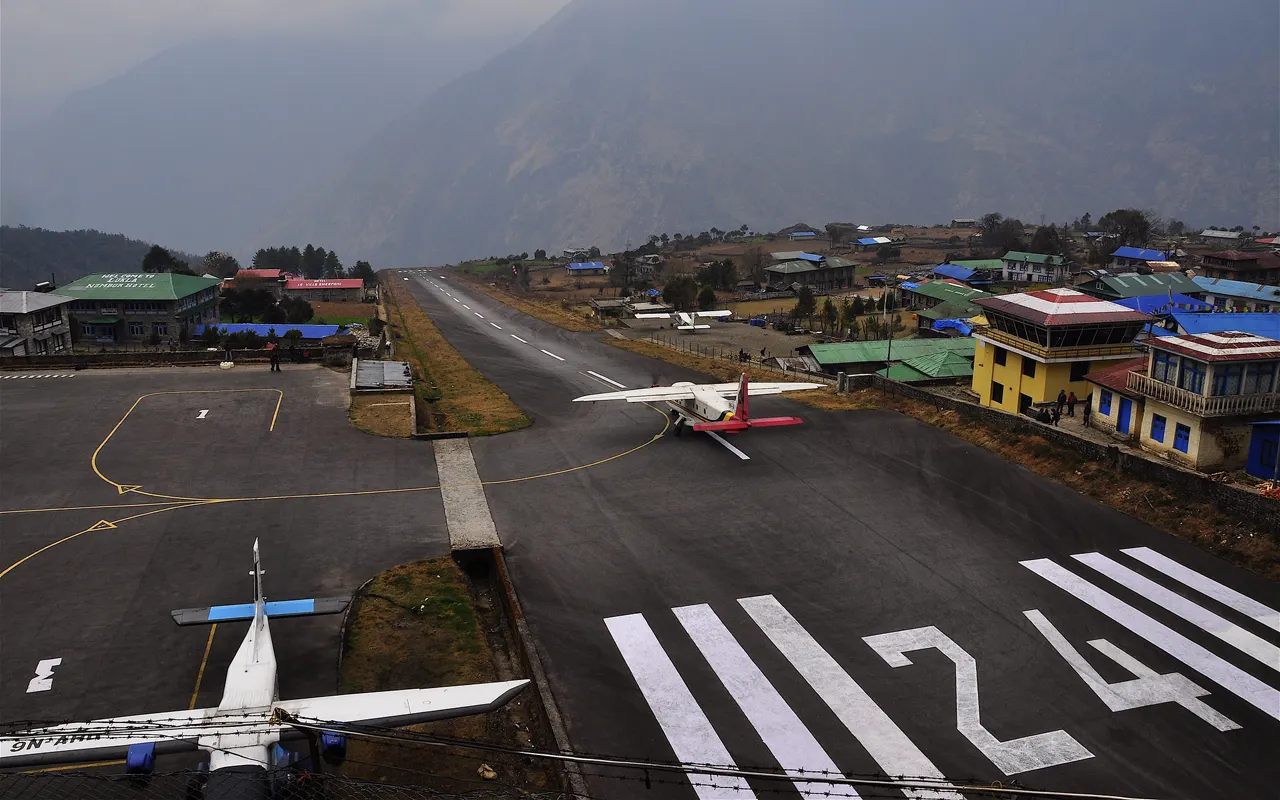
The Lukla flight is short (35–40 minutes) but incredibly scenic. The plane flies low through Himalayan valleys offering breathtaking mountain views. Pilots are very experienced. It can feel exciting or a bit bumpy, but it is a routine, safe flight.
Routine vaccinations (Tetanus, Hepatitis A, Typhoid, etc.) are recommended. Consult a travel doctor at least a month before your trek. Some trekkers also take altitude medication (Diamox) as a precaution after consulting a doctor. Bring a basic first-aid kit with you.
Bring US dollars and some Nepalese rupees. You can exchange money in Kathmandu. ATMs are available in Kathmandu and Namche Bazaar (though they sometimes run out of cash). Many lodges accept USD or card for extras. Carry enough cash in NPR for tips and small purchases.
Group sizes vary. Many of our departures have 2–10 trekkers per group. Private custom trips are also possible. We keep groups small (often under 12) for a more personalized experience. You can request a private trip if you prefer.
Yes, this trek is suitable for older children (typically 12+) and fit older adults. There is no strict age limit, but participants should be healthy and able to walk 2–6 hours per day. Consult a doctor for any health concerns before traveling. Proper preparation makes the trek doable for most ages.
The highest place you sleep is the Everest View Hotel at 3,880 m (12,730 ft). Other overnight stops are at 2,610 m (Phakding) and 3,440 m (Namche). The gradual ascent schedule helps your body adapt safely.
Yes. The luxury lodges on this trek all have hot showers each evening or morning. A small charge may apply at some places, but hot water is generally available at every lodge, especially at Everest View Hotel and the Yeti Mountain Home lodges.
No. Always drink boiled, filtered or bottled water. Lodges provide treated drinking water. You can use purification tablets or a filter for your water bottle. Staying well-hydrated with clean water is crucial to avoid illness.
Yes. Most lodges provide charging stations (usually powered by solar) for a small fee (about $2–$3 per device). Bring a universal adapter. Also bring a portable battery pack, as power supply is limited at high altitude. Charging is usually done in communal areas, so conserve battery between charges.
Wi-Fi is limited. Namche Bazaar has internet cafes, and the Everest View Hotel offers Wi-Fi for a fee. Lodges in Phakding and Lukla generally have no internet. You might get occasional 3G/4G signal in Lukla or Namche if you have a Nepali SIM. Plan for mostly offline trekking – enjoy the digital break!
Yes. All meals (breakfast, lunch, dinner) are included on trekking days. The lodges serve a variety of Nepali and Western dishes (rice, lentils, noodles, eggs, soup, etc.). Snacks and beverages beyond the provided meals (like bottled drinks, beer, tea/coffee, etc.) are at your own expense.
Yes. Lodges have flushing or composting toilets and washrooms. They are generally clean and well-maintained, especially at the luxury lodges we use. Private or semi-private bathrooms are provided. Basic handwashing facilities are available in dining areas.
If someone cannot continue (due to fatigue or illness), the guide will arrange an evacuation, often by helicopter, to lower altitude or Kathmandu. We monitor health daily. Travel insurance should cover medical evacuation. Safety is our top priority, and our team will assist immediately if needed.
Yes. You can extend your trip. After the trek ends in Kathmandu, you might add tours (Kathmandu cultural tours, Chitwan safari, etc.) or other treks. Let Nomad Adventure Treks know in advance if you want a custom extension. Many guests combine this trek with additional adventures in Nepal.
Tipping is customary. A common guideline is about $10–$15 USD per day for the guide and $5–$10 per day for each porter. You give this in cash (USD or NPR) at the end of the trek if you are satisfied with the service. This typically amounts to around 10–15% of the total trip cost per person.
After landing back in Kathmandu, the trek concludes. We will transfer you to your hotel or to the airport. You can then rest in the city, do some shopping, or continue with any onward travel plans. Nomad Adventure Treks can assist with hotel bookings or extra arrangements if needed.