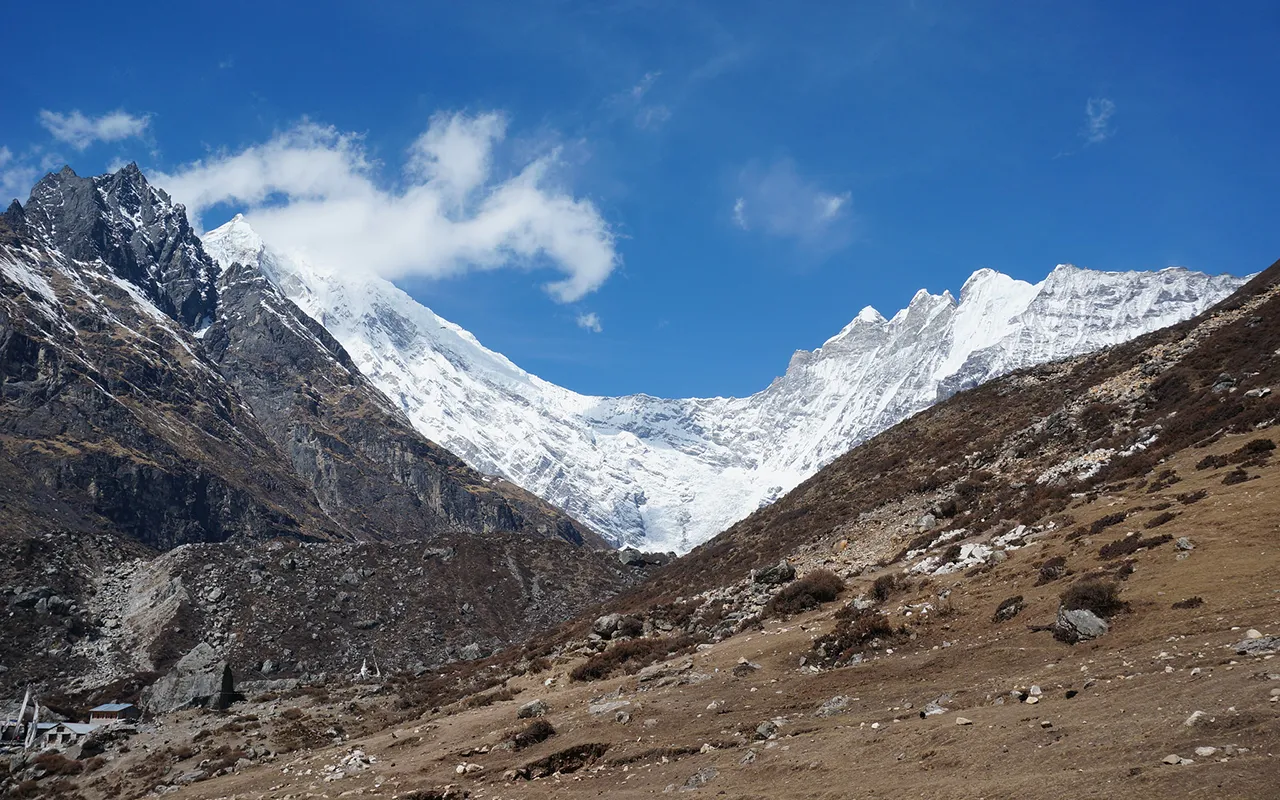
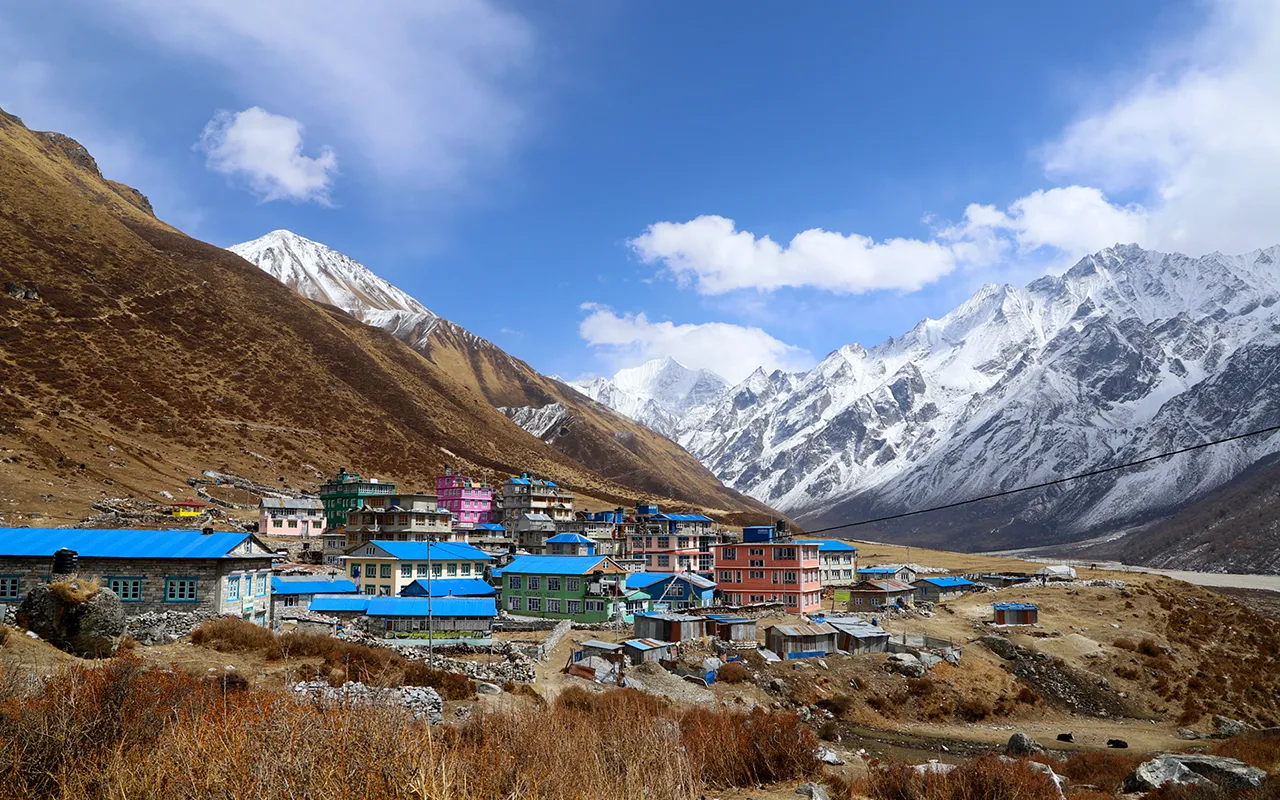
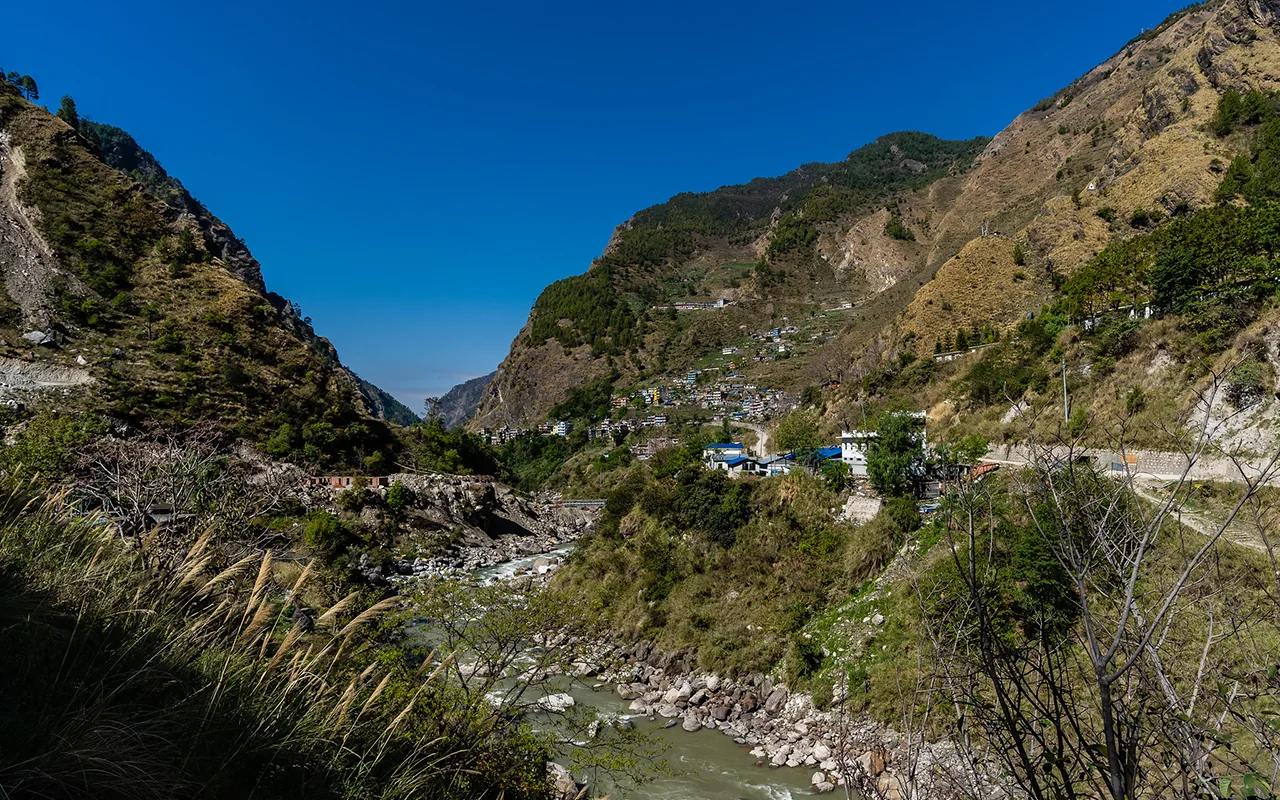
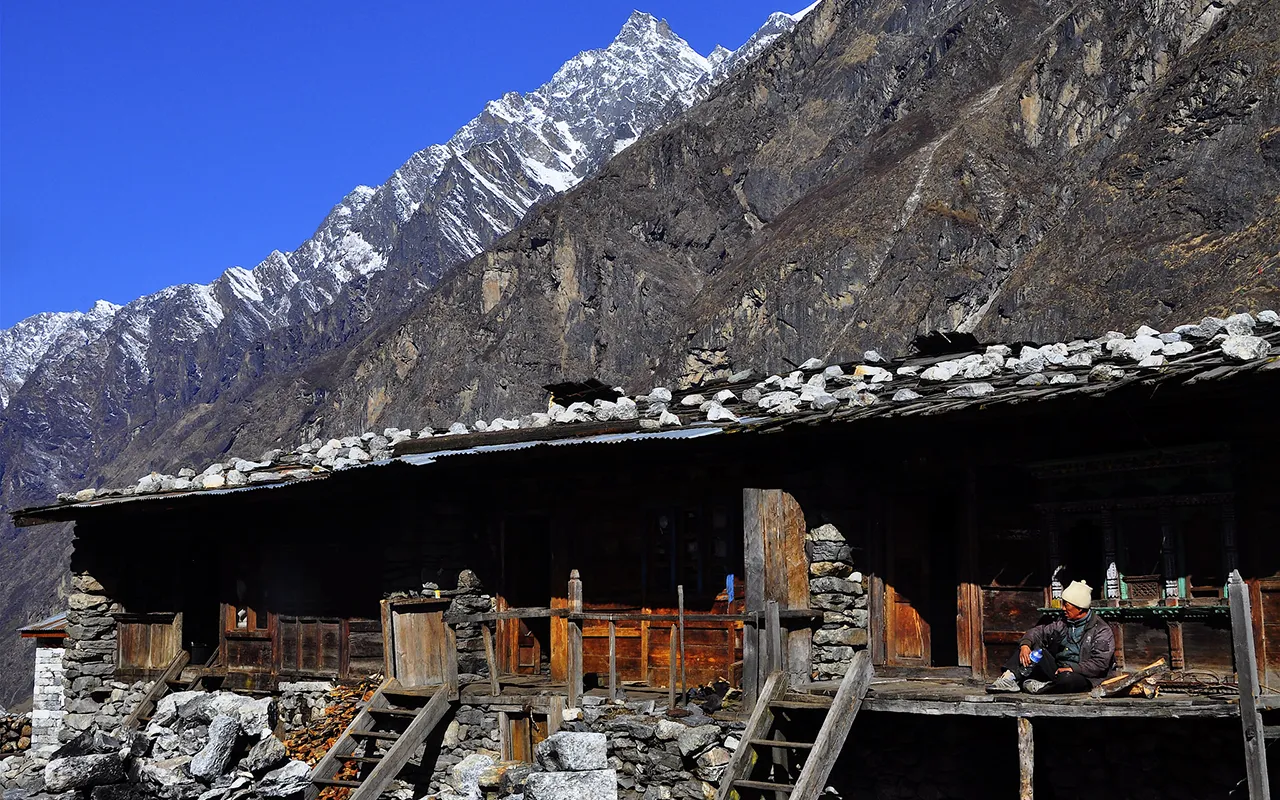
Nomad Adventure Treks presents the Langtang Valley Trek, a 10-day Himalayan journey near Kathmandu. This trek leads into Langtang National Park, known as the “Valley of Glaciers.” It offers breathtaking snow-capped peaks and serene alpine scenery. The adventure begins with…
Overview
Nomad Adventure Treks presents the Langtang Valley Trek, a 10-day Himalayan journey near Kathmandu. This trek leads into Langtang National Park, known as the “Valley of Glaciers.” It offers breathtaking snow-capped peaks and serene alpine scenery. The adventure begins with…
Itinerary
Cost
The Cost Includes
- Accommodation Twin-sharing/double accommodation in a 3-star hotel for 2 nights in Kathmandu including breakfast (Private room accommodation can be organized at an extra cost) Best available accommodation Tea house/lodge accommodation during the trek Meals & Drinking Water All your standard meals during the trek 3 meals a day (Breakfast, Lunch & Dinner) in a guest houses. A farewell dinner on the last night in Nepal Purified drinking water during the trek using Water Filter or water purification tablets. Transportation All (international and domestic) airport transfers on a tourist vehicle Kathmandu to Syabrubesi (trek start) and Syabrubeshi back to Kathmandu (trek end) by local bus Guide and Staff Experienced, first-aid trained, government licensed, English speaking, and locally recruited Nomad Adventure’s trekking guide (2 guides for group size more than 12 people) Porters during the trek for carrying luggage (1 porter for every 2 clients) Wages, accommodation, meals, gear, insurance and medications for all staff Medical Assistance Assistance in arranging rescue operations in case of complicated health conditions (funded by travel insurance) Medical kits, including an oximeter to monitor blood oxygen saturation levels in high altitudes Permits Langtang National Park entry permit fee TIMS (Trekkers’ Information Management System) card Benefits and Takeaways Sleeping bags and down jackets, duffle bag (one for every two trekkers) if you do not have your own company’s T-shirt & Cap Trip completion certificate Administrative & Taxes All administrative expenses and government taxes
The Cost Excludes
- Price Excludes Lunch and dinner in Kathmandu International flight fare and airport departure tax Guided tour in Kathmandu (Private car + tour Guide), Monument entrance fees while sightseeing in Kathmandu Kathmandu sightseeing entrance fee $26 Nepal Entry Visa (Visa can be acquired easily after your arrival at Tribhuvan International Airport in Kathmandu with a fee of USD 30 for 15 days visa, USD 50 for 30 days visa and USD 125 for 90 days visa) Extra night accommodations in Kathmandu due to early arrival or late departure, early return from the trek or other itinerary changes Travel insurance along with high-altitude emergency evacuation coverage Medical check-ups, vaccinations, or medications required for the trek are not included. Any beverages including bottled and boiled water Tips to trekking staff and driver Personal trekking gear and equipment Personal expenses (shopping, snacks, boiled bottle water, hot (Tea/ Coffee) and cold drinks, hot shower, alcohol, Wi-Fi, telephone call, battery re-charge fee, extra porters, etc Personal clothing and gear Any expenses other than the Price Include section
FAQs
Wear layers suitable for mountain conditions. Bring moisture-wicking base layers, a warm fleece or down jacket for evenings, and a waterproof outer shell for wind and rain. Sturdy, broken-in hiking boots are essential. Include gloves, a warm hat, and UV-protective sunglasses and sunscreen. Layers let you adjust to changing weather and temperatures.
You can rent or borrow a sleeping bag from our agency or lodges, but many trekkers bring their own. Make sure it is rated to at least –10°C (14°F) for comfort on cold nights. Sleeping bags and liners are available for rental, but having your own ensures the best hygiene and warmth, especially during the coldest parts of this trek.
Nights can be quite cold, especially at higher camps. In October or November, nighttime temperatures often drop to 0°C to –5°C (32°F to 23°F). In spring (March–May) it may be slightly milder, but still near freezing above 3000m. A good sleeping bag and warm layers (thermal underwear, fleece, down jacket) are needed to stay comfortable.
No. You should not drink untreated tap water on the trek. Always drink boiled or filtered water. Most teahouses will provide boiled or treated water for drinking – you can refill your bottle after purification. Carry water purification tablets or a filter as a precaution, and avoid ice or unboiled drinks. Staying hydrated is essential, but make sure your water is safe.
Yes. At each teahouse there are basic pit or squat toilets (usually outside the main lodge). There are no flush toilets on the trail. At higher camps, facilities may just be a latrine with a plastic bucket. It’s a good idea to bring your own toilet paper and hand sanitizer, as these are not always provided. Bathrooms can be cold, so a small towel and modesty wrap may help.
Independent trekkers can attempt Langtang, but hiring a guide is strongly recommended. Officially you need a TIMS card and park permit to enter Langtang, which can be done independently, but a guide handles all logistics, navigation and safety concerns. A guide will help with local villages and language. For your safety at altitude and the smooth running of the itinerary, a professional guide from Nomad Adventure Treks is highly advisable.
No. There are no ATMs in Langtang Valley or anywhere along the trek. You must carry enough Nepalese rupees to cover all personal expenses (snacks, drinks, tips). Withdraw cash in Kathmandu or at the Dhunche checkpoint before you start hiking. Ensure you have small bills (100 or 500 NPR) and some coins for tea or tips. Better to have a bit extra than to run short on cash out on the trail.
Bring Nepalese rupees (NPR) for use on the trek. You can easily exchange USD, EUR or other major currencies in Kathmandu before departure. Small denomination bills (NPR 100, 500, 1000) are most useful. Credit cards are not accepted in the villages, so rely on cash. A few extra US dollars can be handy for emergencies. Carrying old or torn bills is risky; use crisp currency and check exchange rates in advance.
Yes, Langtang is generally safe. The main risks are altitude and weather, not crime. Trekking is one of the safest activities here. Villages are welcoming and tourists are rare enough that locals value visitors. Standard travel precautions apply (watch your belongings, avoid remote solo walks at night). Follow your guide’s advice and weather forecasts. The infrastructure is modest: medical clinics are in Kathmandu, so carry insurance. Overall, you can focus on the scenery with peace of mind.
Food is basic Nepali/Tibetan fare. Expect staples like dal bhat (rice and lentils), vegetable curries, soups, noodles, and Tibetan bread (roti or sel roti). Breakfast might include porridge, eggs or toast. Most lodges offer both vegetarian and limited meat options (usually chicken or egg). Fresh produce is limited at high altitude, so dried and canned goods are common. You will get plenty of carbohydrates and proteins to fuel your hike. Drink plenty of tea, and enjoy the simple but nourishing food.
Yes. Comprehensive travel insurance is highly recommended for any Nepal trek. Your policy should cover emergency medical evacuation, high-altitude trekking (up to at least 5000m), and helicopter rescue. If you have an accident or get sick (e.g. severe altitude sickness), insurance will pay for hospital fees and transport. Many Nepali operators require proof of insurance before beginning the trek. Carry a copy of your policy and emergency contact info at all times.
Minor issues (like blisters, diarrhea or headaches) can often be treated in village clinics or with your guide’s first-aid kit. Guides carry basic medications and oxygen. If you develop serious altitude sickness or a severe injury, you will need to descend immediately. Our team can arrange helicopter evacuation if needed (covered by good insurance). Generally, small injuries heal on the trek, but do not hesitate to tell your guide any discomfort. Drinking water and staying rested usually helps most minor sicknesses.
While camping is possible in Nepal, Langtang Valley is primarily a teahouse trek. Since we pass through villages every night, most groups stay in lodges. Camping would require carrying tents and cooking gear, plus a special permit and heavier loads. We do not recommend camping here as it is cooler and you’d miss the cultural interaction. Sticking to lodges means lighter backpacks and guaranteed beds and food.
Some lodges offer hot bucket showers for a fee (around USD 2–3 per shower). At lower elevations, a few lodges have fixed shower rooms. Above 3000m, hot water depends on solar heating or wood boilers and may not always be available. Even if you skip a hot shower, teahouses provide buckets and soap so you can freshen up. Pack biodegradable soap and a small towel just in case. A quick shower before dinner feels luxurious and is usually doable at least once on the trek.
Yes, most lodges have electricity and you can charge devices, usually for a small fee (USD 1–3 per device). Keep in mind electricity comes from generators or solar panels, so it can be unreliable or low-power. Power outages are possible. It’s best to conserve battery or bring a power bank. Some hikers charge only at larger villages (Lama Hotel or Kyanjin) and save battery. Overall, you can keep your gadgets going, but manage expectations for speed and cost.
You will have cell service in many villages. Nepal Telecom and Ncell cover the lower part of Langtang Valley – the strongest signal is up to Lama Hotel and Kyanjin Gompa. Ncell generally has the better signal in this region. Above Kyanjin (higher altitudes), coverage disappears. You can buy a Nepali SIM card (Ncell recommended) in Kathmandu. Then you’ll be able to make calls and use data in most villages along the way. That said, expect no service on the harder trails or in deep forest sections. Use it to send a quick text or photo and enjoy being mostly offline out there!
Wildlife encounters are rare. Monkeys, some wild dogs and occasional jackals might be seen near villages. Bears or leopards live here, but they are extremely shy and active only at dawn/dusk. Teahouses often have friendly guard dogs at night. Just store your food securely at night. In practice, hikers have no problems with animals. Predators stay away from humans. So, enjoy the possibility of spotting a colorful pheasant or the distant wanderings of a goat-antelope, but rest assured the <strong>Langtang trek</strong> is not dangerous in terms of wildlife.
Tipping is appreciated in Nepal’s trekking culture. A common guideline is about 10% of the trek cost for the lead guide (to be shared if multiple guides), and a smaller tip (USD 3–5) for each porter. For a 10-day trip, many trekkers give about USD 20–30 in total to the guide and USD 10–15 in total to each porter, but it depends on service quality. You can tip in cash (USD or NPR) at the end of the trek during the farewell dinner. If you can’t decide, ask your guide for advice on local customs. Your generosity will be remembered by the team.
With a porter, your personal duffel can be up to ~15 kg. The porter will carry it on a mule or by hand between camps. Your daypack (with water, camera, snacks, rain gear) should be around 5–7 kg. Pack light to be comfortable: bring only essential clothing and gear. Store heavier items in your duffel. Remember that at altitude, even small weights feel heavier. A typical packing list for Langtang valley trek includes trekking clothes, a warm jacket, rain gear, toiletries, and personal items. If you find you are carrying too much, some extra items (like toiletries or clothes) can often be left in your Kathmandu hotel.
No. Teahouses and shops only accept cash. Make sure to withdraw enough Nepalese rupees in Kathmandu for all your needs – drinking water, snacks, tips, laundry etc. You will not find an ATM on the trail, and credit cards don’t work outside Kathmandu. It is safest to pay all the fixed costs (hotel nights, tour fees) by card beforehand, and carry cash for the trek. Always keep some small bills, as shopkeepers may not have change for large notes.