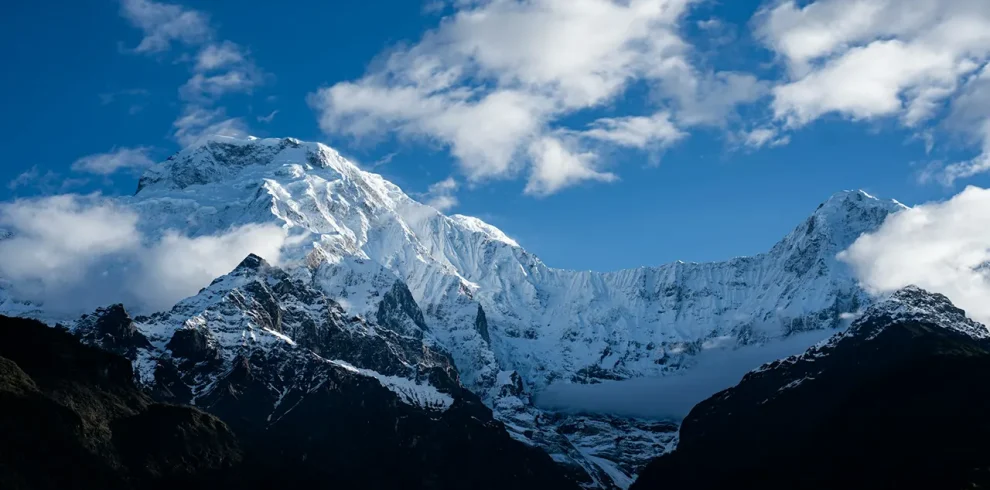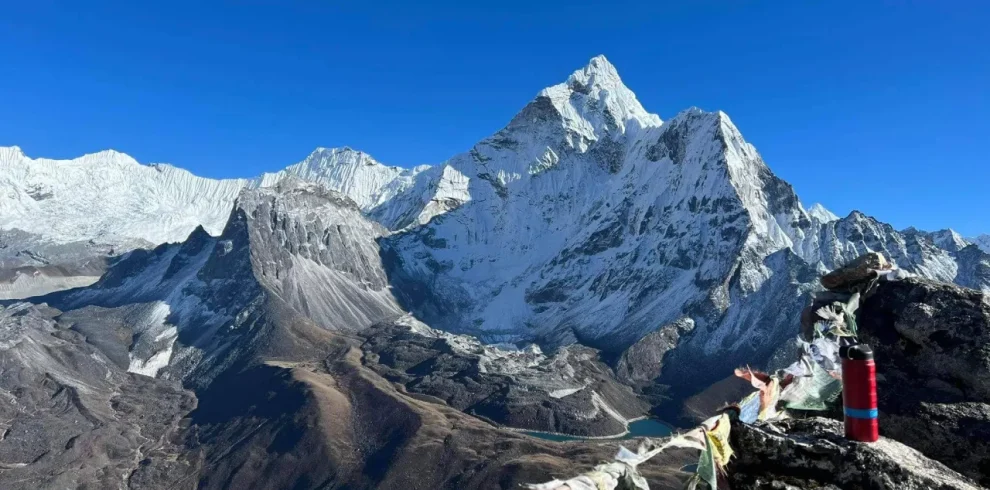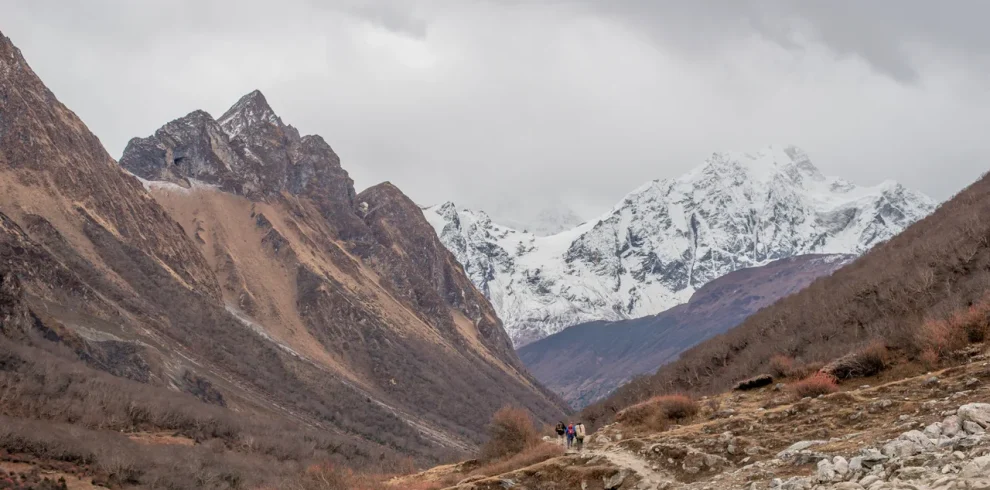
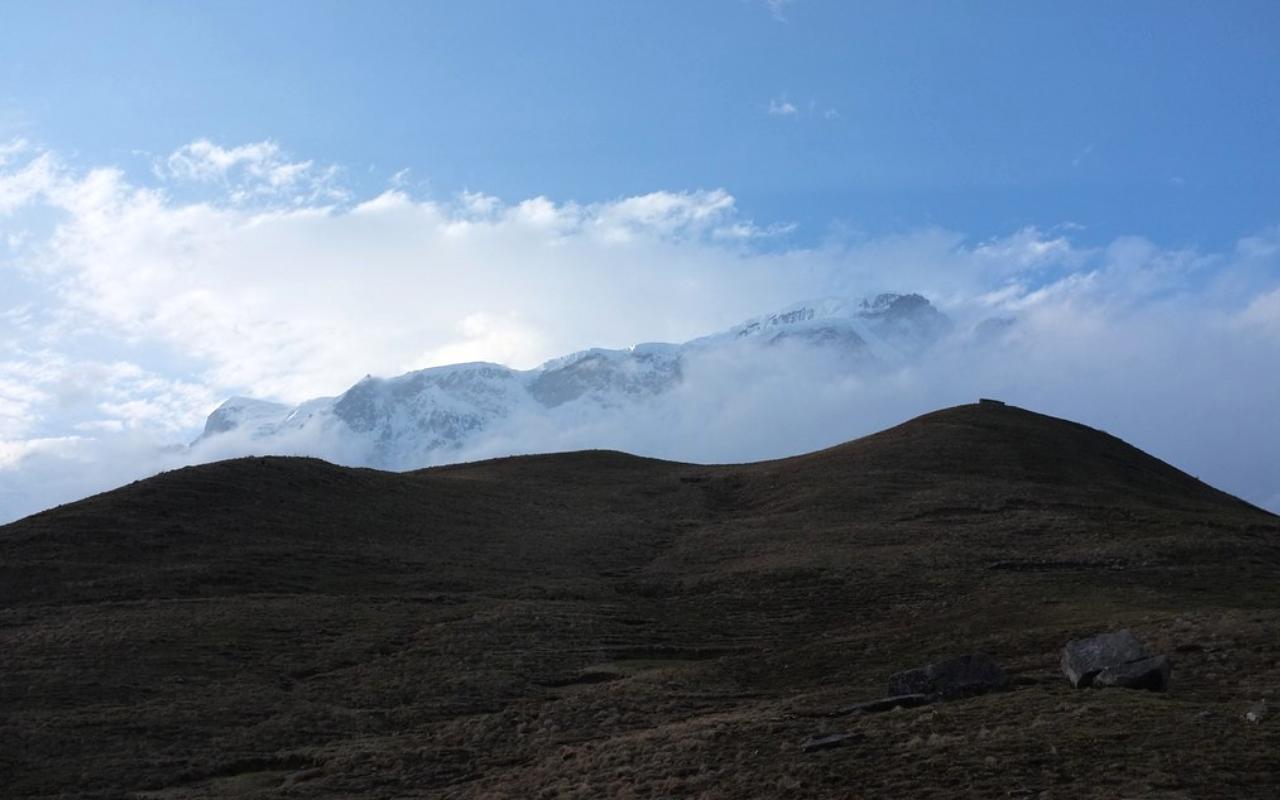
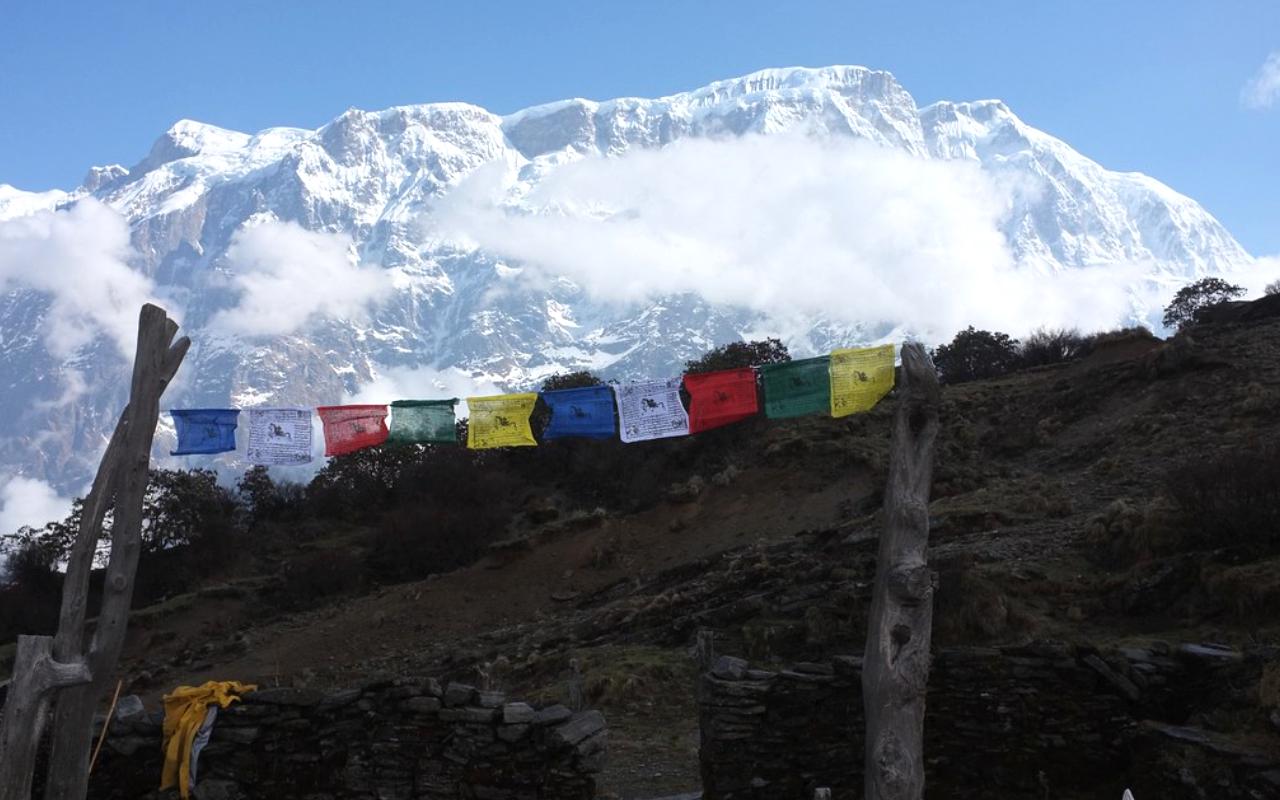
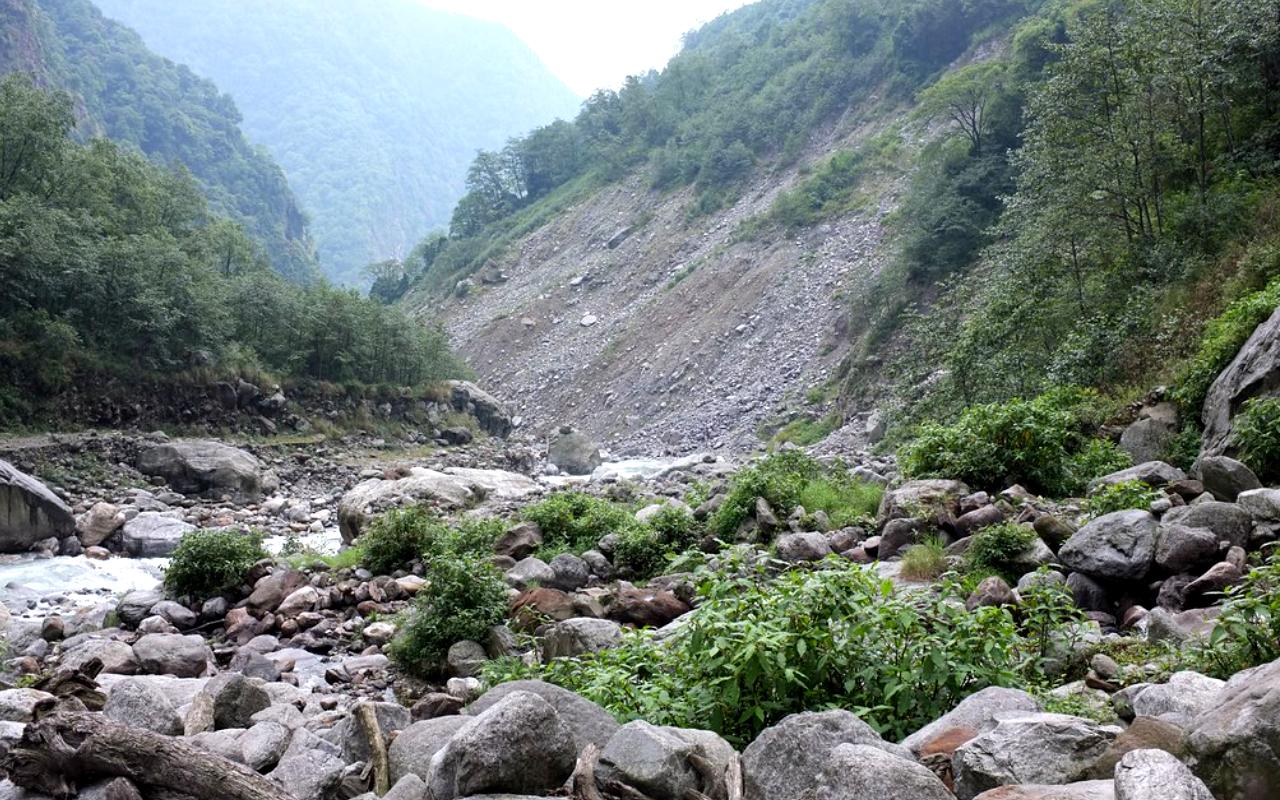
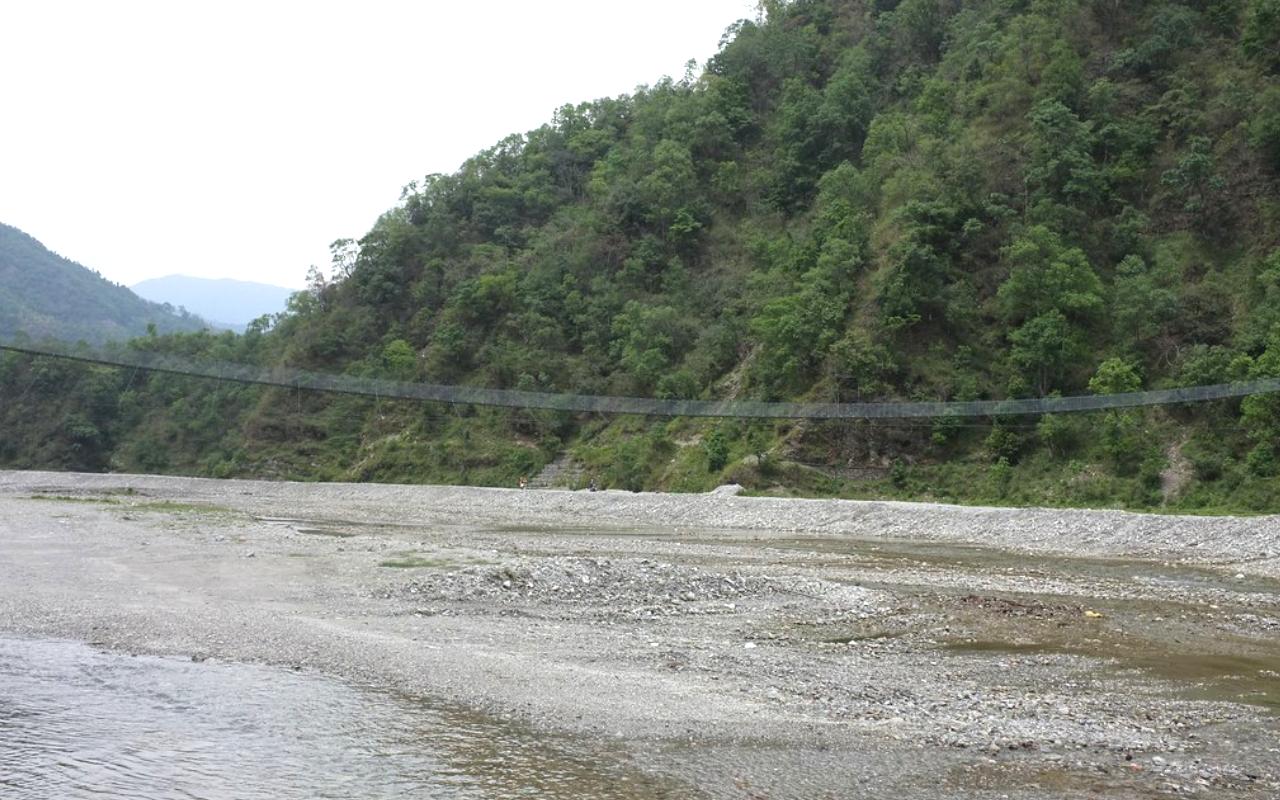
The Kori Trek is a scenic 10-day adventure in the Annapurna region in Nepal. It starts with the Lakeside city of Pokhara and takes you to the Gurung village of Sikles, then finally to the viewpoint of Kori Danda, which…
Overview
The Kori Trek is a scenic 10-day adventure in the Annapurna region in Nepal. It starts with the Lakeside city of Pokhara and takes you to the Gurung village of Sikles, then finally to the viewpoint of Kori Danda, which…
Itinerary
Cost
The Cost Includes
- Accommodation Twin-sharing / double room in a comfortable tourist-standard hotel in Kathmandu for 2 nights with breakfast. (Single room available at extra cost.) Twin-sharing room in a standard hotel in Pokhara for 2 nights with breakfast (after the trek) Twin-sharing rooms in simple teahouses or homestays during the trek (around 5 nights) in villages like Sikles, Hugu Goth, Nohtha, and Kori Danda (when open) Meals & Drinking Water Breakfast at the hotels in Kathmandu and Pokhara Three meals a day (breakfast, lunch, and dinner) during the trekking days in local teahouses or homestays A farewell dinner on the last night in Nepal Transportation All airport pick-ups, drop-offs, and hotel transfers in Kathmandu and Pokhara by private vehicle Tourist bus tickets for the Kathmandu–Pokhara–Kathmandu journey (or similar tourist coach, depending on booking) 4WD jeep transport from Pokhara to Sikles and back Guide and Staff Licensed, English-speaking local trekking guide for the full trip Support staff (assistant guide / helpers) if required by group size All wages, meals, accommodation, and insurance for guide and included trekking staff Medical Assistance Basic first-aid kit carried by your guide and help in arranging rescue/evacuation in case of emergency (actual rescue costs are paid by your travel insurance) Permits Annapurna Conservation Area Permit (ACAP). TIMS (Trekkers’ Information Management System) card. Benefits and Takeaways Full trip planning and on-trip support from Nomad Adventure Treks Administrative & Taxes All administrative costs and applicable government taxes
The Cost Excludes
- Lunch and dinner in Kathmandu and Pokhara (only breakfast is included in the cities). International flights to and from Nepal Optional domestic flights on the Kathmandu–Pokhara–Kathmandu sector (tourist bus is included; flights cost extra if you choose them) Nepal entry visa fees (payable on arrival at Kathmandu Airport) Guided sightseeing tours in Kathmandu or Pokhara, private car, and entrance fees to monuments Extra hotel nights in Kathmandu or Pokhara due to early arrival, late departure, or changes caused by weather or road conditions Travel insurance that includes high-altitude trekking and helicopter evacuation Any medical check-ups, vaccinations, or personal medicines before the trip Bottled and alcoholic beverages, bar bills, or drinks beyond the provided meals Tips for trekking staff and driver Personal trekking gear and equipment (sleeping bag, trekking poles, boots, clothing, etc.) Porter services (optional; around USD 160 per porter, normally shared between two trekkers) Any cost not mentioned in the “Included” section Personal expenses such as snacks, hot showers, Wi-Fi, charging, laundry, extra porters, or drinks (tea/coffee, juice, alcohol, etc.)
FAQs
Kori Trek will be from USD 450 per person (land services, budget basis, minimum group size, tourist bus, twin-share, no porter). Final price varies by season, transport (bus vs flight), accommodation class, and group size.
Light, smart packing is best. Bring warm layers for mornings/evenings and light clothes for daytime, a jacket to cover the rainy season, good trekking shoes, hat, gloves, sun glasses, sunscreen, and personal medicines. A water bottle with purification tablets that are reusable, a flashlight/ headlamp, and a camera will also come in handy. Make sure your total weight of the backpack does not exceed 15 kg.
Yes. The Kori Trek is in the Annapurna Conservation Area and therefore a licensed Nepali guide will be necessary. The guide will handle your permits, guide you on the way, and keep you safe on the way besides imparting the local culture and knowledge.
Yes, you can walk during winter (December to February), but be ready to cold weather and snowfall. In winter there are peaceful trails and the mountain views are clear but trekkers should carry good warm clothes. Majority of the visitors like spring (March -May) and autumn (September -November) because the weather is mild and weather is stable.
No ATMs beyond Pokhara so carry cash from city. You are supposed to carry sufficient Nepalese rupees in Kathmandu or Pokhara to meet your personal expenses on snacks, drinks, or tips along the trek.
The currency is Nepalese Rupees (NPR). Any payment in the trek has to be made in cash. In larger cities, they accept credit and debit cards. Smaller bills are also advisable where one would be conducting small transactions in the villages.
About 3,800 meters is the highest point of the Kori Trek and it is called Kori Danda. You will be acclimated by spending a night at Nohtha (about 3,000 meters) before reaching this viewpoint. It is not a steep climb and the mountain scenery is breathtaking when you are on the top.
Yes, there are porters and they are strongly recommended in case you want to carry less weight. The price is about USD 160, and the porter carries a maximum of 25 kg which is normally shared among two trekkers. This will make the trek more comfortable to you.
Mobile signal is not good in lower villages like Sikles and no Wi-Fi on the way. As soon as you start the trek, you are able to assume that you will be largely offline and therefore you will be able to immerse yourself in nature and the quiet environment.
Guides have simple first-aid kits, and they are trained to deal with minor health issues. In case of altitude sickness or some severe condition, the guide will organize an immediate descent or emergency evacuation. There should be travel insurance that includes medical rescue.
Yes. Even though lodges offer blankets, it is still better to have a personal sleeping bag (warm till 0°C) to be even warmer and cleaner. You can also hire one in Kathmandu and then begin your trek.
Yes. In Gurung villages like Sikles, dress decently, take off shoes before entering homes or temples and seek permission before taking pictures of people. shake hands and greet locals with a warm Namaste, and do not touch the head or religious objects of anyone. Local cultures are highly regarded.