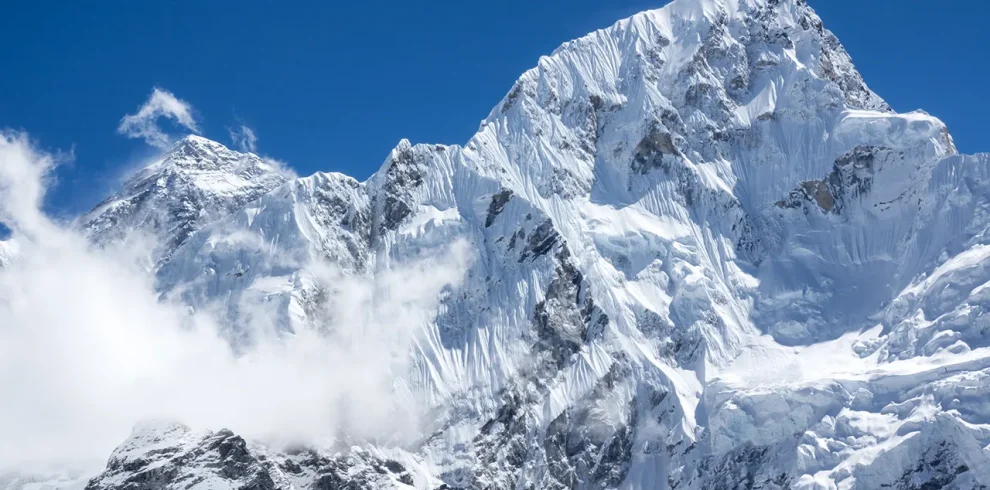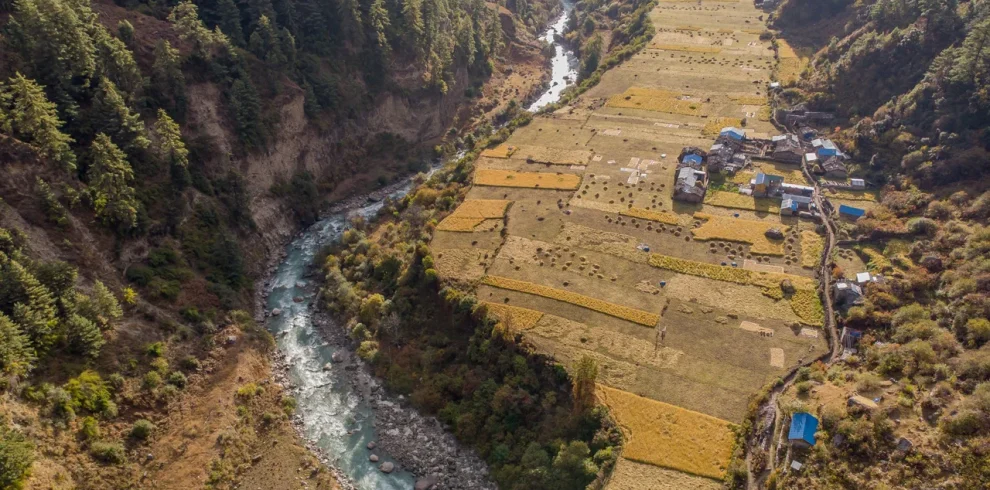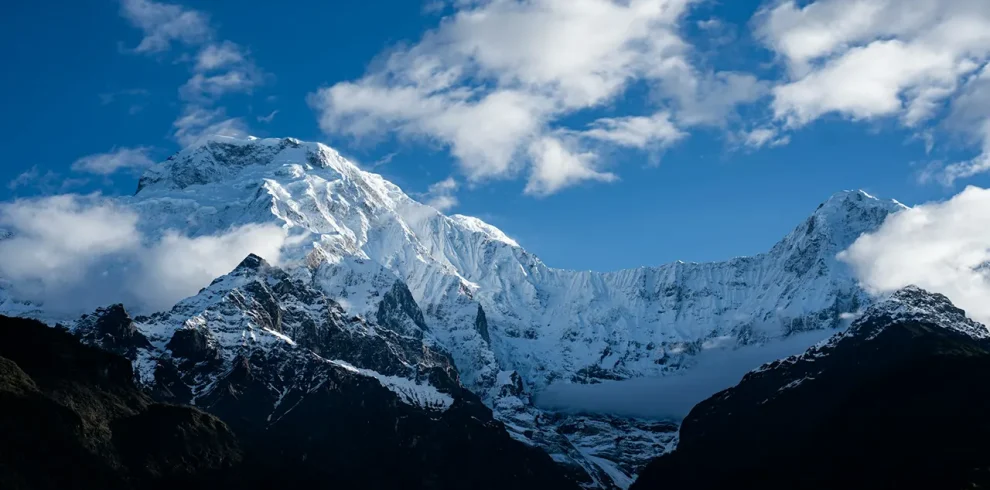
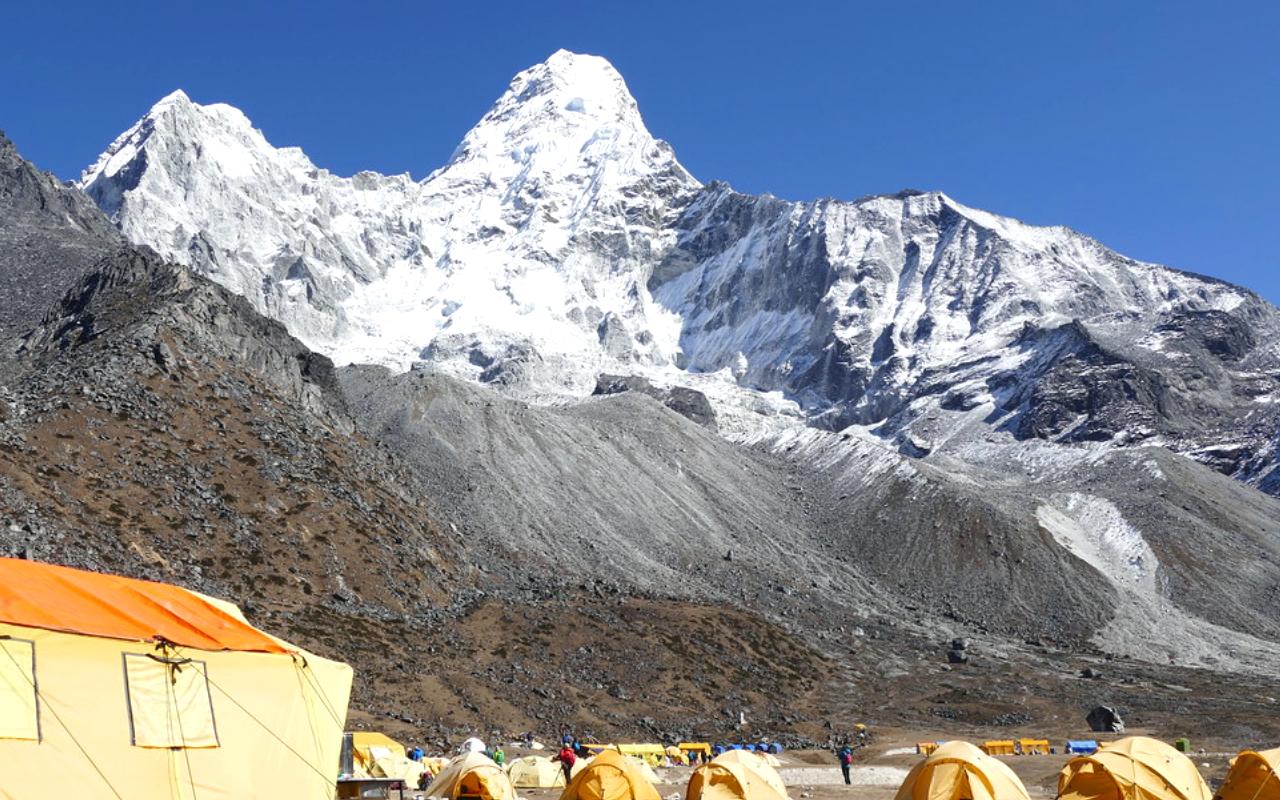
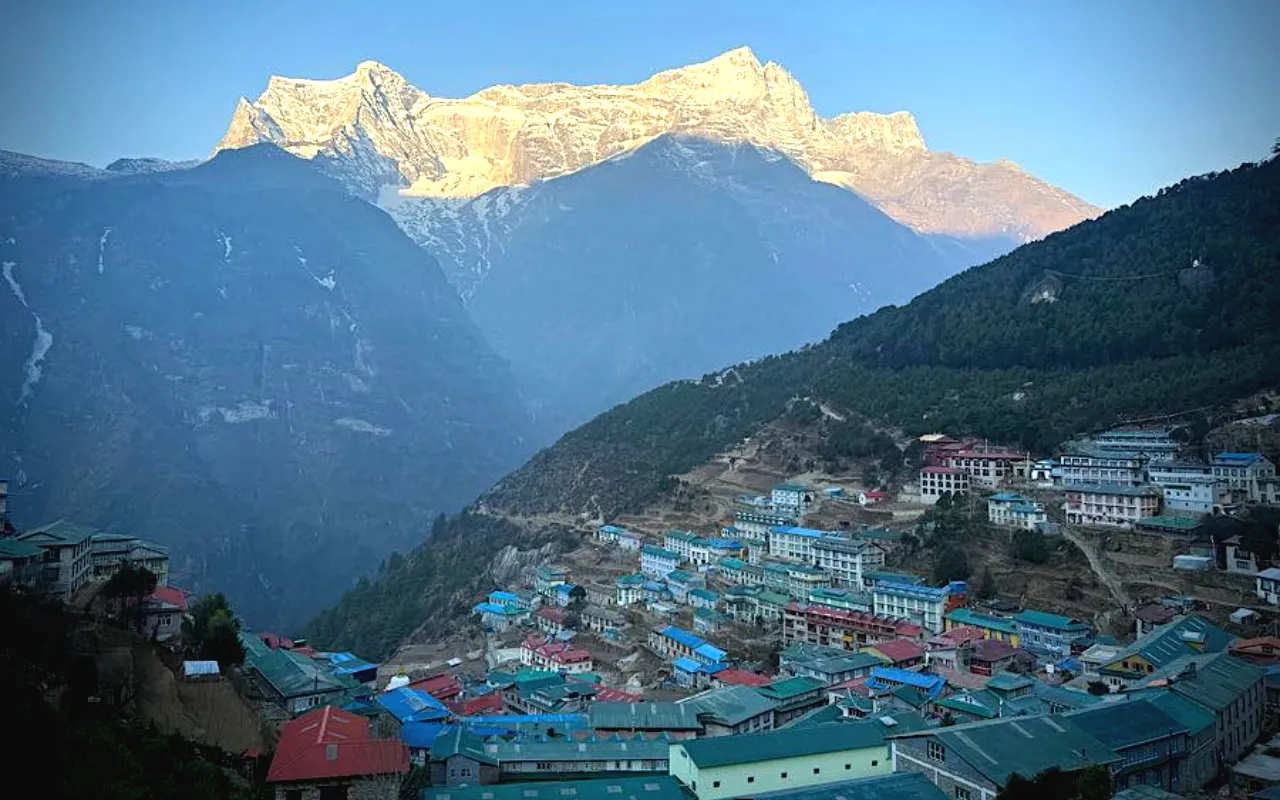
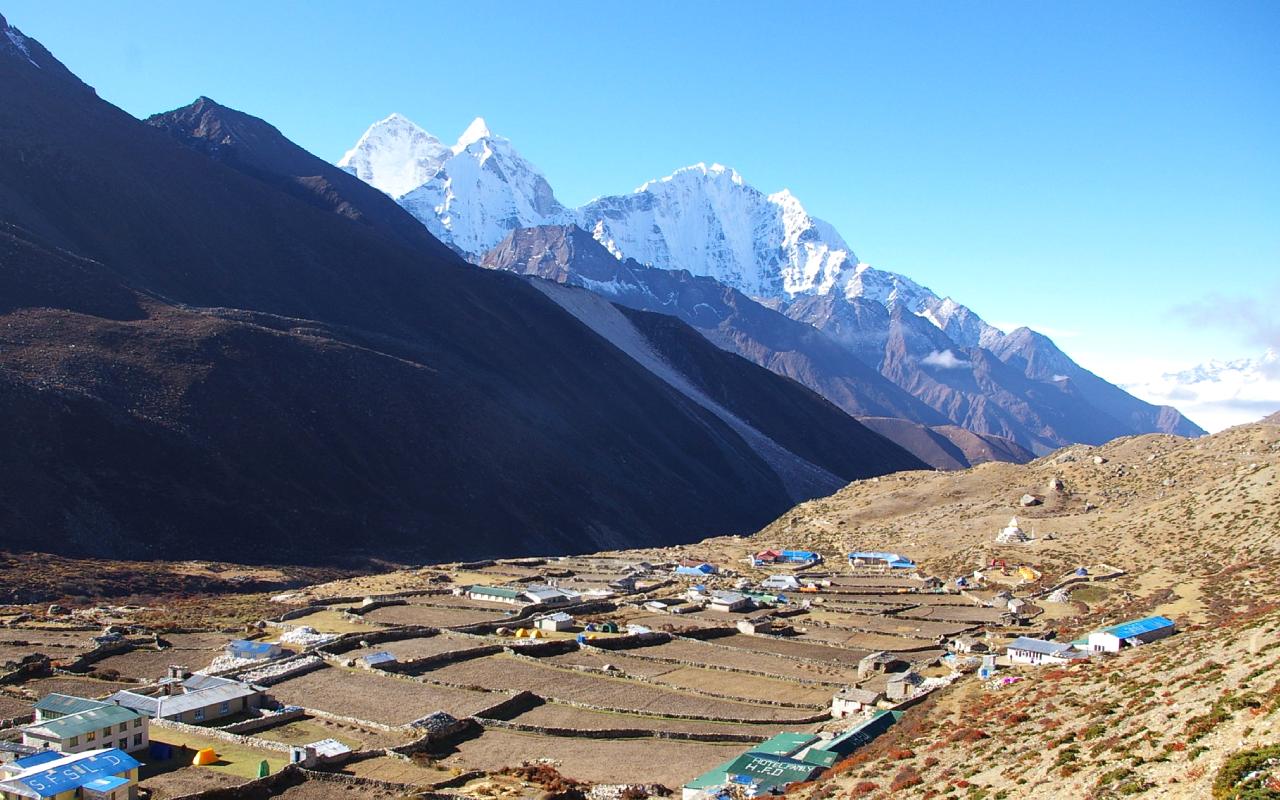
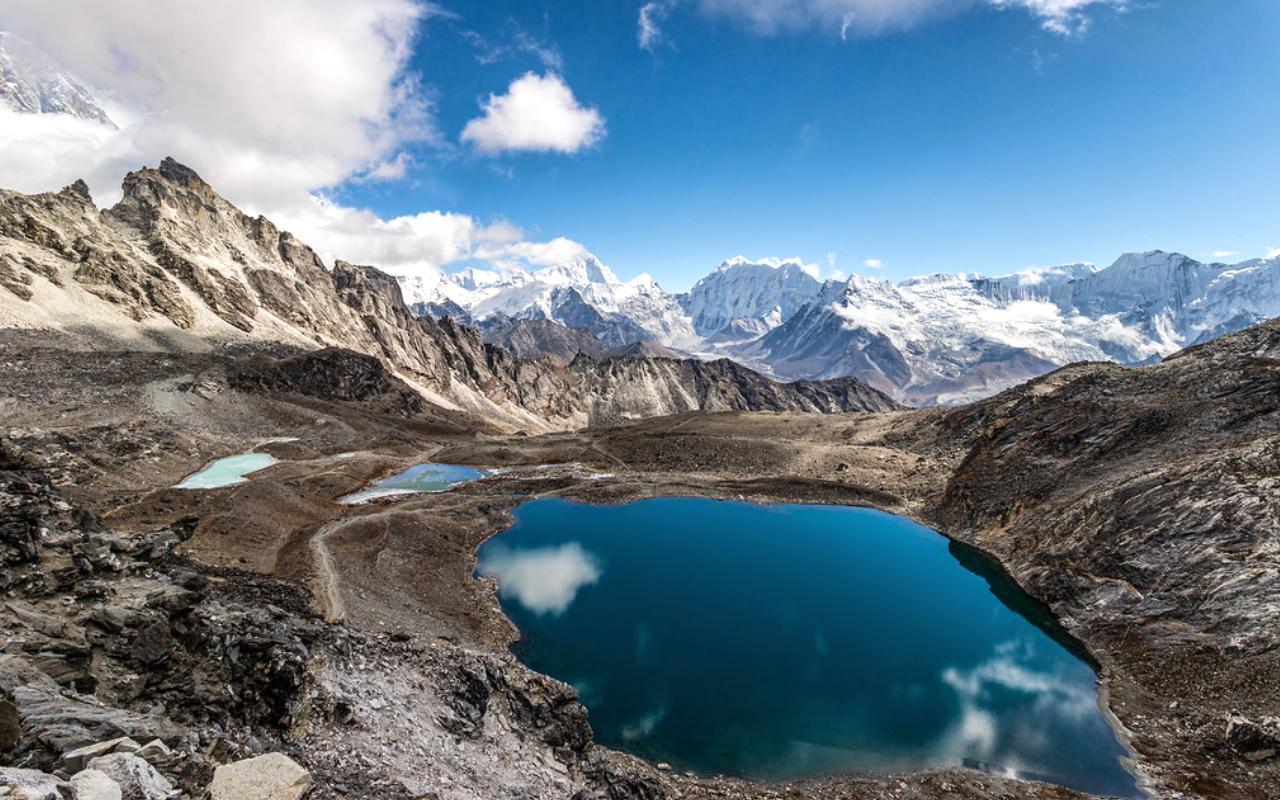
Ama Dablam Base Camp trek is a fulfilling expedition into the core area of the Everest region, which gives the close perspectives of one of Nepal’s most famous mountains. It is a 13-day journey that takes you through the silent…
Overview
Ama Dablam Base Camp trek is a fulfilling expedition into the core area of the Everest region, which gives the close perspectives of one of Nepal’s most famous mountains. It is a 13-day journey that takes you through the silent…
Itinerary
Cost
The Cost Includes
- Accommodation Best available tea house or lodge accommodation during the Ama Dablam Base Camp trek Clean and comfortable mountain lodges with shared or attached bathrooms, where available Meals & Drinking Water All standard meals during the trek: 3 meals per day (Breakfast, Lunch, and Dinner) served in tea houses A farewell dinner in Kathmandu after the trek Assistance with water purification using filters or purification tablets (water costs not included) Transportation Domestic round-trip flights: Kathmandu–Lukla–Kathmandu (or Kathmandu–Manthali–Lukla–Manthali–Kathmandu depending on season) All airport transfers in Kathmandu are by private vehicle Ground transportation between the hotel and the airport as per itinerary Guide and Staff Experienced, government-licensed, English-speaking trekking guide Additional guide is provided for groups of more than 7 trekkers All staff expenses included: salary, accommodation, meals, insurance, and trekking gear Medical Assistance Medical kit during the trek, including first aid supplies An oximeter to monitor oxygen levels at higher altitudes Assistance in arranging emergency rescue if required (Rescue cost covered by your travel insurance) Permits Sagarmatha National Park entry permit Khumbu Pasang Lhamu Rural Municipality permit Benefits and Takeaways Use of sleeping bag, down jacket, and duffle bag (one per two trekkers) if needed Trip completion certificate Company T-shirt and cap Administrative & Taxes All government taxes and administrative charges Official trekking documentation and service fees
The Cost Excludes
- All accommodation in Kathmandu, before and after the journey Lunch and dinner in Kathmandu, except the farewell dinner. International flight fare and airport departure tax Nepal Entry Visa (Visa can be acquired easily after your arrival at Tribhuvan International Airport in Kathmandu with a fee of USD 30 for 15 days visa, USD 50 for 30 days visa, and USD 125 for 90 days visa) Porters during the trek for carrying luggage (1 porter for every 2 clients) Extra night accommodations in Kathmandu due to early arrival or late departure, early return from the trek, or other itinerary changes Travel insurance, along with high-altitude emergency evacuation coverage Medical check-ups, vaccinations, or medications required for the trek are not included. Any beverage, including bottled and boiled water Tips for trekking staff and drivers Personal trekking gear and equipment Any expenses other than the Price Include section Personal expenses (shopping, snacks, boiled bottled water, hot (Tea/ Coffee) and cold drinks, hot shower, alcohol, Wi-Fi, telephone call, battery recharge fee, extra porters, etc Personal clothing and gear
FAQs
Ama Dablam Base Camp sits at around 5,120 meters (16,770 ft) above sea level.
Yes. It requires the services of a licensed local guide for both safety and the path. Porters are strongly suggested (one porter for every 2 trekkers) to carry big luggage, and you will be more relaxed on the trek.
You require a Sagarmatha National Park permit and a Khumbu Pasang Lhamu rural municipality permit. These are organized by Nomad Adventure Treks and inspected at Monjo/Namche.
Accommodations are in simple mountain tea houses. Twin beds and attached or privately secured bathrooms (with western or squat toilets) are common in rooms. Look for clean but simple accommodation with a common dining facility.
Yes. Included are all trek meals (breakfast, lunch, and dinner). The food is usually Nepali or Tibetan (dal bhat, noodles, soups, momos, and so on) and vegetarian and non-vegetarian.
Spring (March-May) and autumn (September- November) are the most ideal seasons. It is a time of the year when the weather is stable and has clear views. The months of June to August are known as the monsoon season, and the months of December to February are very cold.
Climb gradually and keep hydrated. The itinerary entails days of acclimatization. Take prescribed altitude drug (with doctor’s permission). Monitor symptoms – headache and nausea may occur; in this case, do not climb higher.
Yes! On this trip, there are a few places that provide the view of the peak of Everest (8,848 m), particularly during the crossing of Kongma La Pass and in the area of Lobuche. The south side of Ama Dablam can also be clearly viewed at a short distance.
No. The Ama Dablam expedition takes another path and does not reach Everest Base Camp. In order to visit EBC, you will have to join another Everest Base Camp trekking itinerary.
You should be physically fit and able to walk 6–7 hours per day on steep, rough trails. Good cardio fitness (hiking, running, cycling) will prepare you for 500–1000 m altitude gains each day. This trek is suitable for trekkers with moderate experience.
The direct flight from Kathmandu to Lukla takes about 40 minutes. During peak season, flights may go via Manthali: then you drive 4–5 hours from Kathmandu to Manthali and fly 20 minutes to Lukla.
You can withdraw Nepalese rupees in Namche Bazaar and Lukla, but machines may occasionally run out or shut down. There are money changers in Kathmandu and some in Namche. It’s safest to carry enough cash (NPR) when you leave Kathmandu.
No, never drink untreated tap water. Only drink boiled or commercially filtered water. At tea houses, you can buy bottled or treated water. Always carry purification tablets or a filter as a backup.
Cell signal (NTC and Ncell) is available in Kathmandu, Lukla, Phakding, and Namche Bazaar. Coverage fades out at higher camps. Most lodges offer paid Wi-Fi in Namche and some villages, but speeds are slow. Plan for minimal connectivity.
Yes, most tea houses have electricity (usually solar-powered). Charging devices costs about $1–2 for a few hours. Outlets are limited, so carry a power bank. Some trekkers also share charging by tripod plugs.
On clear mornings, you may spot Himalayan tahr (mountain goats), Himalayan monal pheasants (colorful birds), and possibly musk deer. These animals are shy; observe from a distance. Snow leopards and red pandas live here ,but are extremely rare to see.
Tipping is not obligatory in Nepal, but it is customary. To receive good service, a trekker should tip between 5 and 10 dollars per day to the guide and 3 to 5 dollars per day to the porters. This is shared at the group level.
In spring and autumn, days are usually warm (10–15°C) with clear skies, while nights can be cold (around 0°C at Namche, well below freezing at higher camps). Sunlight is strong. Carry layers for temperature changes and rain gear just in case.
Many lodges offer hot showers using solar-heated water or generators for a small fee (around $2–3). Higher up (Lobuche, Pangboche, Dingboche), hot water may be limited. You can also wash with cold water or use sanitizer.
The Nepalese Rupee (NPR) is the local currency. In Kathmandu, USD is widely accepted in hotels and shops, but in the mountains ,only NPR cash is used. Plan to use cash only while trekking. ATMs and changing are only available in the main villages before the trek.