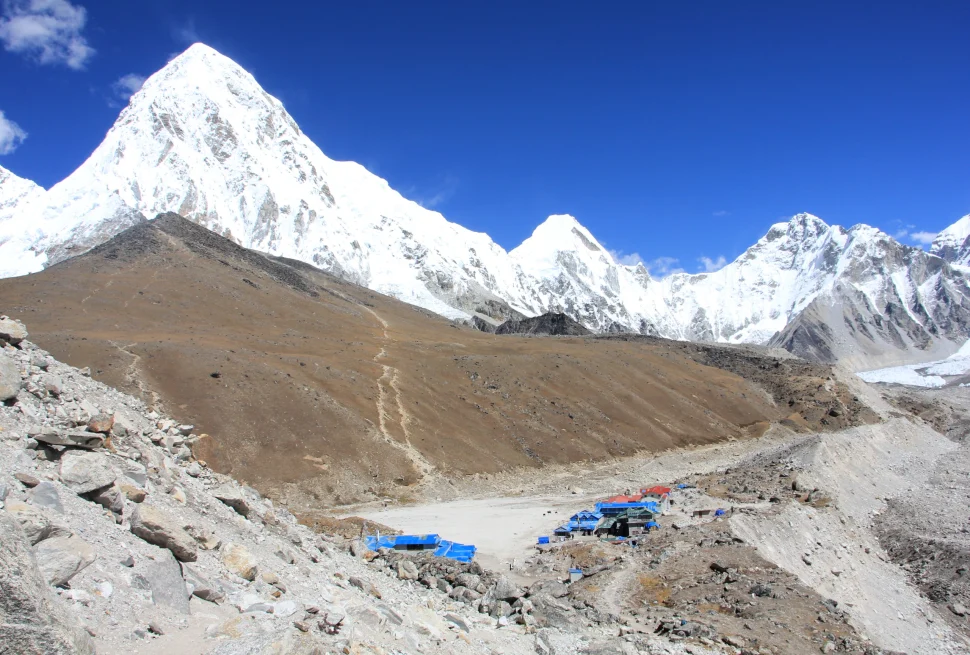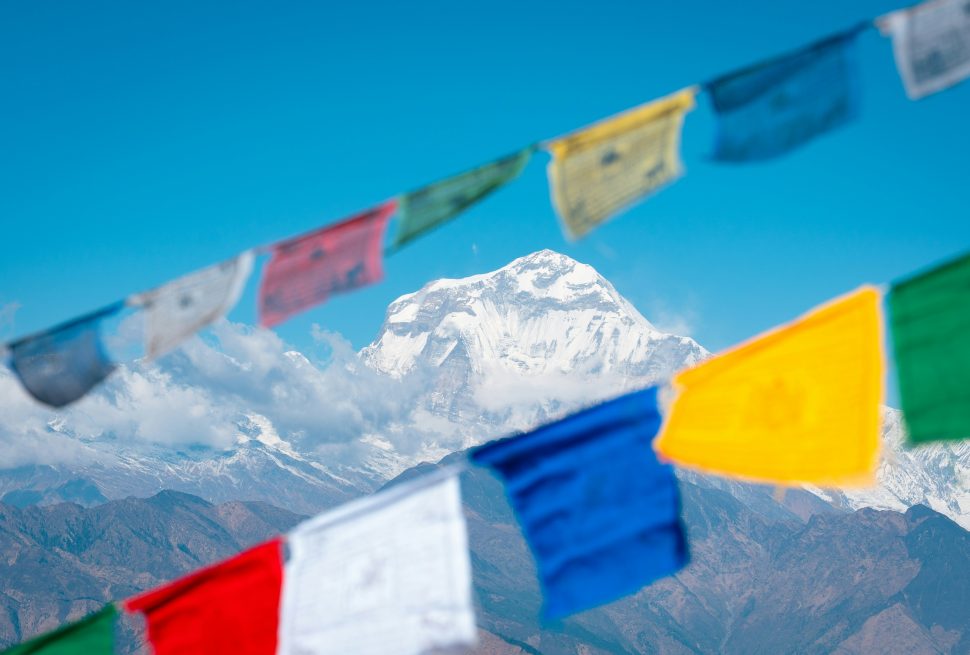

Upper Mustang was a separate kingdom until 2008 and closed to outsiders until 1992. It sits in the rain shadow north of the Annapurna and Dhaulagiri ranges — a high, arid plateau of ochre cliffs and wind-carved canyons that looks and feels like Tibet, because culturally it is.
Lo Manthang
The walled capital is the destination. Founded in 1380, it is a compact warren of whitewashed alleys around the former royal palace and three ancient monasteries — Jampa, Thubchen and Chodey — holding some of the finest surviving Tibetan murals anywhere. Allow two full days.
Permits
Upper Mustang is restricted and expensive: USD 500 per person for ten days, plus USD 50 for each additional day, on top of the ACAP permit. A minimum of two trekkers and a registered guide are mandatory. The fee funds conservation and local development.
Trek it in summer
This is the key insight. Because Mustang lies in the rain shadow, it stays dry through the monsoon. June to August — when most of Nepal is unwalkable — is one of the best times to visit. If your only leave is in July, this is where to go.
The Tiji Festival
Held in Lo Manthang each May, Tiji is a three-day masked dance festival re-enacting the defeat of a demon. It is among the most remarkable cultural events in the Himalaya, and it books out far ahead.
Walking or driving
A rough road now runs to Lo Manthang, and jeep tours are possible in four or five days. Trekking takes ten to twelve and follows older trails away from the road, through villages and cave complexes the vehicles never see. Walk it if you can.
Talk to us about Upper Mustang — especially if you are looking for a monsoon-season option.