
Ask ten people and you will get ten answers. Here is the honest version, from guides who walk this trail dozens of times a year.
The walking itself is moderate
You are on a well-made trail the whole way. There is no scrambling, no exposure that would trouble a confident walker, and no equipment beyond boots and poles. Days run five to seven hours with a long lunch stop. If the trek were at sea level, most reasonably active people would find it unremarkable.
The altitude is what makes it hard
At Base Camp there is roughly half the oxygen available at sea level. That changes everything. Your pace halves, sleep becomes broken, appetite disappears, and a small climb feels disproportionate. Altitude does not care how fit you are – marathon runners get sick as often as anyone, usually because they climb too fast.
The genuinely tough days
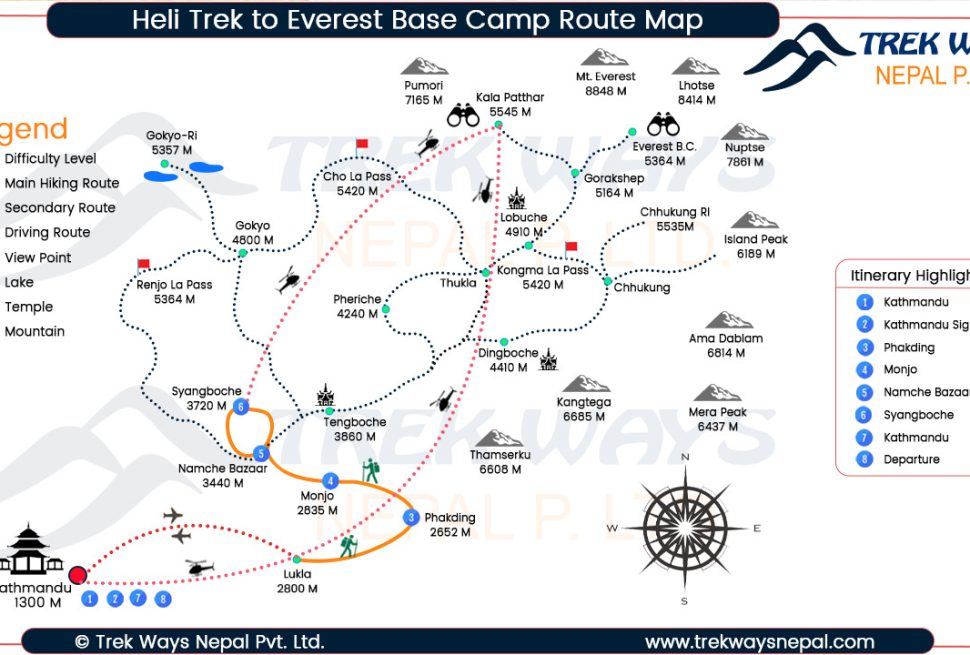
- Namche hill: a relentless 600 m climb on day two, before you have acclimatised.
- Lobuche to Gorak Shep: short in distance, brutal in effect, crossing glacial moraine at 5,000 m.
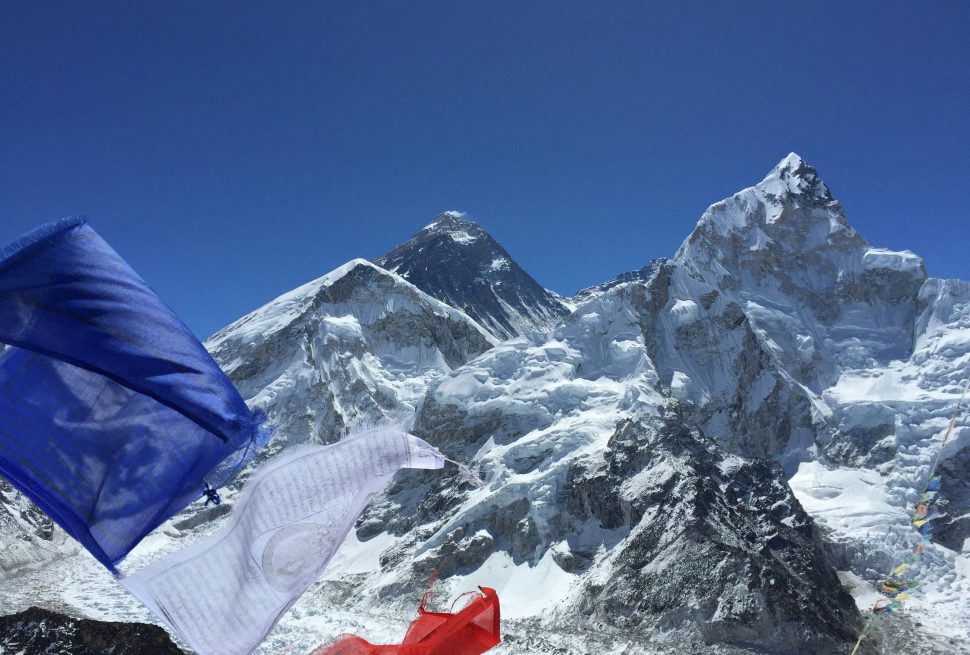
- Kala Patthar at dawn: 400 m of climbing in the cold and dark, at the highest point of the trip.
Who struggles most
In our experience it is rarely the oldest or least athletic. It is people who arrive underslept, who push through early headaches instead of reporting them, and who treat the acclimatisation days as optional. We have guided trekkers in their seventies to Base Camp and turned back people in their twenties.
How to make it easier
Walk slower than feels natural – if you cannot hold a conversation, you are going too fast. Drink three to four litres a day. Eat even without appetite. Take the acclimatisation days seriously. And tell your guide the moment you feel unwell; early symptoms are easy to manage, late ones are not.
If you would rather build in extra days, we can extend any itinerary. Tell us your timeline and we will suggest a pace that suits you.